SCOTCAT.COM
your internet guide to all things catfish
Rhamdia xetequepeque Silfvergrip, 1996 |
Image contributors to this species: |
Erling Holm (1) |
ScotCat Sources: |
|
|

Other Sources: |
|


Relevant Information: |
Habitat: This species is so far known only from its type locality in the Jequetepeque River, just to the west of Chilete (Cajamarca and La Libertad) in the Peruvian Amazon (Silfvergrip 1996, Ortega et al. 2012, Bockmann 2003). Its area of occupancy (AOO) has been estimated to be 9 km² (using a 3 x 3 km grid cell). The species occurs in only one location, based on the current major threats affecting it (habitat modification and pollution). Diet: It feeds on insect larvae, crustaceans and small fishes (Galvis et al. 2006). Etymology: The specific name xetequepeque: Named for Río Jequetepeque River, Peru, type locality (Silfvergrip selected a variant but erroneous spelling to avoid confusion with R. jequitinhonha, a practice, he said, in line with how the genus-group name Rhamdia was formed). |
Common Name: |
None |
Synonyms: |
None |
Family: |
Heptapteridae |
Distribution: |
South America: Jequetepeque River basin, Peru. Type locality: Peru, Jequetepeque River, just W of Chilete (06º19'90"S, 78º25'90"W). |
Size: |
7.5cm. (3ins) |
Temp: |
24-26°C (75-79°F) |
p.H. |
|
6.0-7.0. |
IUCN Red List |
This species has a very restricted distribution (AOO = 9 km²) and occurs in only one location in northern Peru. The quality of the habitat is declining due to water pollution from urban areas and mining, the presence of a dam that leads to changes in water levels, and micro-habitat destruction due to channelling of the river. It is therefore listed as Critically Endangered, and needs updating, (IUCN 2016). |
Reference: |
Bockmann, F.A. and
G.M. Guazzelli, 2003. Heptapteridae (Heptapterids).
p. 406-431. In R.E. Reis, S.O. Kullander and C.J.
Ferraris, Jr. (eds.) Checklist of the Freshwater Fishes
of South and Central America. Porto Alegre: EDIPUCRS,
Brasil. |

Family: Heptapteridae Back to Ident-A-Cat Click on Thumbnails |
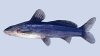 Rhamdia xetequepeque
Jequetepeque River, Peru |
If you would like to contribute to the monthly factsheets with an article, information or photos, please e-mail me. You will of course be credited for your work.

If you would like to donate any denomination of monies to the site just click the above link button. All proceeds will go to running the site and hopefully to keep it going for a few years yet.

