SCOTCAT.COM
your internet guide to all things catfish
Otocinclus mariae Fowler, 1940 |
Image contributors to this species: |
|
Johnny Jensen's Photographic Library (1) Karsten Schönherr (1) |
ScotCat Sources: |
|

Other Sources: |
|


Relevant Information: |
Quite similar looking to O. vittatus. Aquarium Care: This is a small group of Loricariids which do well in aquaria and will keep the algae down without harming the plants in the tank. Best to keep in a group with more males for breeding purposes. Reproduction: the females will lay eggs on the plants and tank glass after the females have been chased around the tank by the male. Like Corydoras they present a t-position breeding mode. Diet: Omnivore: algae, tablet foods, flake and small frozen foods. |
Common Name: |
Synonyms: |
None |
Family: |
Loricariidae |
Distribution: |
South America: Upper Madeira and lower Amazon River basins. In Suriname known from Upper Marrowijne (Maroni), Suriname and Corantijn rivers. Type locality: Boca Chapare, Río Chimore, Río Mamoré system, Bolivia. |
Size: |
3.5cm. (1½ins) |
Temp: |
22-27°c (71-81°f.) |
p.H. |
|
6.0-7.5. |
Reference: |
Ferraris,
C.J. Jr., 2007.
Checklist of catfishes, recent and fossil (Osteichthyes:
Siluriformes), and catalogue of siluriform primary types.
Zootaxa 1418:1-628. |

Family: Loricariidae Back to Ident-A-Cat Click on Thumbnails |
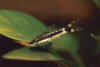 Otocinclus
mariae Otocinclus
mariae |
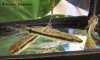 Otocinclus
mariae Otocinclus
mariaeTapanahony river, Suriname |
If you would like to contribute to the monthly factsheets with an article, information or photos, please e-mail me. You will of course be credited for your work.

If you would like to donate any denomination of monies to the site just click the above link button. All proceeds will go to running the site and hopefully to keep it going for a few years yet.

