SCOTCAT.COM
your internet guide to all things catfish
Otocinclus mura Schaefer, 1997 |
Image contributors to this species: |
|
Mitsuhiro Iwamoto (1) |
ScotCat Sources: |
|

Other Sources: |
|


Relevant Information: |
Aquarium Care: This is a small group of Loricariids which do well in aquaria and will keep the algae down without harming the plants in the tank. Best to keep in a group with more males for breeding purposes. Reproduction: The females will lay eggs on the plants and tank glass after the females have been chased around the tank by the male. Like Corydoras they present a t-position breeding mode. Diet: Omnivore: algae, tablet foods, flake and small frozen foods. Etymology: The specific name mura: Named for the Mura, indigenous tribe who formerly inhabited the middle reaches of the Rio Solimoes (Amazonas, Brazil), within the present range of this species; the Mura were a constant considerable threat to river travel and fiercely resisted colonial assimilation, for which they suffered severe onslaughts by frontier colonists from the mid 1770s to 1785. |
Common Name: |
None |
Synonyms: |
None |
Family: |
Loricariidae |
Distribution: |
South America: Upper Amazon River basin, Brazil. Type locality: Rio Sanabani, munícXpio de Silves (Lago Canaçari drainage into Rio Solimões mainstem), ca. 2º51'40"S, 58º15'40"W, Rio Solimões/Sanabani/Lago Canaçari drainage, Brazil. |
Size: |
3.5cm (1½ins) |
Temp: |
23-26°c (73-79°f.) |
p.H. |
|
6.0-7.5. |
IUCN Red List |
Otocinclus mura is endemic to Brazil, widely distributed in the Amazon basin, in the states of Amazonas, Pará, and Rondônia, being frequent and abundant. As no significant threats to its population have been detected, Otocinclus mura has been categorised as Least Concern (IUCN 2022). |
Reference: |
Chico Mendes
Institute for Biodiversity Conservation (ICMBio).
2022. Otocinclus mura . The IUCN Red List of
Threatened Species 2022. |

Family: Loricariidae Back to Ident-A-Cat Click on Thumbnails |
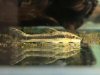 Otocinclus
mura Otocinclus
mura |
If you would like to contribute to the monthly factsheets with an article, information or photos, please e-mail me. You will of course be credited for your work.

If you would like to donate any denomination of monies to the site just click the above link button. All proceeds will go to running the site and hopefully to keep it going for a few years yet.

