SCOTCAT.COM
your internet guide to all things catfish
Panaque cochliodon (Steindachner, 1879) |
Image contributors to this species: |
Danny Blundell (2) Stephen Hack (3) Johnny Jensen's Photographic Library (3) Allan James (2) Daniel Konn-Vetterlein (1) |
ScotCat Sources: |
|


Other Sources: |
|
|


Relevant Information: |
This catfish was for many years thought to be Panaque suttonorum (suttoni?) but it is now finely recognised to be Panaque cochlidon. This mistake was rectified when again looking at Schultz's original description of P. suttonorum, which was totally different, and was also from a different location. See Factsheet. The smaller Panaques are actually Panaqolus and the larger species are Panaque. Description: The differences are that Panaque have an oval shaped mouth and the jaws have very large spatulate teeth with a single cusp, arranged in a v form and Panaqolus have a small number of spatulate teeth and the former also grow quite a bit larger. Aquarium Care: This species is a bit robust in an aquarium set-up so would need plenty of hiding places, plenty of water changes, due to their wood eating habits, and powerfull filtration. Needs a spacious aquarium. Diet: All Panaque (Panaqolus) are wood eaters so would need this in an aquarium set-up. Feed also vegetable foods such as cucumber, courgette (zucchini) and sinking tablets. Etymology: The specific name cochliodon: cochli, from cochlearium (L.), a small Roman spoon with a long tapering handle; odon, from odoús, tooth, referring to spoon-shaped dentary and premaxillary tooth cusps. Remarks: Known for its blue eyes. |
Common Name: |
Blue-eyed Pleco |
Synonyms: |
Chaetostomus cochliodon. Chaetostomus gibbosus |
Family: |
Loricariidae |
Distribution: |
South America: Colombia, Rio Magdalena and Rio Cauca. Type locality: Aus dem Cauca, dem grössten Nebenflusse des Magdalenen-Stromes, Colombia. |
Size: |
40.0cm. (16ins) |
Temp: |
20-24°c (67-75°f.) |
p.H. |
|
6.5-7.2. |
IUCN Red List |
This species is listed as Near Threatened because of a suspected reduction in its population by approximately 25% due to fishing pressure for ornamental purposes and to habitat degradation in parts of its range. It is likely that this species may qualify for Vulnerable, but currently there are not sufficient data to support such an assessment. It is recommended that surveys are carried out to estimate its population size and monitoring of its trends and needs updating (IUCN 2016). |
Reference: |
|
Ferraris, C.J. Jr.,
2007. Checklist of catfishes, recent and fossil (Osteichthyes:
Siluriformes), and catalogue of siluriform primary
types. Zootaxa 1418:1-628. |

Family: Loricariidae Back to Ident-A-Cat Click on Thumbnails |
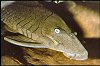 Panaque
cochliodon Head view |
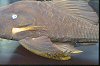 Panaque
cochliodon Showing Interopercular spines |
 Panaque
cochliodon |
 Panaque
cochliodon |
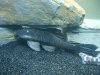 Panaque
cochliodon |
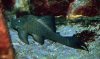 Panaque
cochliodon |
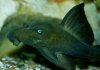 Panaque
cochliodon Head view |
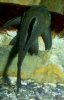 Panaque
cochliodon |
 Panaque
cochliodon |
 Panaque
cochliodon Head view |
 Panaque
cochliodon |
If you would like to contribute to the monthly factsheets with an article, information or photos, please e-mail me. You will of course be credited for your work.

If you would like to donate any denomination of monies to the site just click the above link button. All proceeds will go to running the site and hopefully to keep it going for a few years yet.

