SCOTCAT.COM
your internet guide to all things catfish
Pseudohemiodon apithanos Isbrücker & Nijssen, 1978 |
Image contributors to this species: |
Robin Warne (2) Allan James (3) Peru Aquarium Group (1) Daniel Blom (1) Tobias Koch (6) Haakon Haagensen (1) |
ScotCat Sources: |
|

Other Sources: |
|


Relevant Information: |
Aquarium Care: Prefers a sand substrate as they like to dig. Sexual Differences: Mature males will develop their lower lips to allow them to carry their eggs (abdomino-lip brooders). The very large eggs are incubated by the male. Diet: algae wafers, sinking tablet and frozen foods such as bloodworm and shrimp. Etymology: The specific name apithanos: apíthanos, incredible, referring to variability in colour pattern, unique among its numerous subfamilial relatives. |
Common Name: |
Chameleon Whiptail |
Synonyms: |
None |
Family: |
Loricariidae |
Distribution: |
Ecuador: San Miquel River basin, Western Amazon River drainage, Ecuador. Type locality: Ecuador, Prov. Napo, Río Conejo, a tributary of Río San Miguel, vicinity of Santa Cecilia, 0º06'N, 76º51'W, upper Río Amazonas system. |
Size: |
30.0cm. (12ins) |
Temp: |
24-28°c (75-83°f) |
p.H. |
|
6.0-7.0. |
IUCN Red List |
This species is listed as Least Concern because of its wide distribution, although its high demand for ornamental use may affect its population in the future but needs updating (IUCN 2016). |
Reference: |
|
Ferraris, C.J. Jr.,
2007. Checklist of catfishes, recent and fossil (Osteichthyes:
Siluriformes), and catalogue of siluriform primary
types. Zootaxa 1418:1-628. |

Family: Loricariidae Back to Ident-A-Cat Click on Thumbnails |
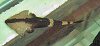 Pseudohemiodon
apithanos Dorsal view |
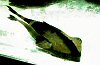 Pseudohemiodon
apithanos Dorsal view |
 Pseudohemiodon
apithanos |
 Pseudohemiodon
apithanos |
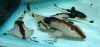 Pseudohemiodon
apithanos |
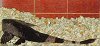 Pseudohemiodon
apithanos |
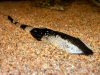 Pseudohemiodon
apithanos |
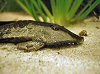 Pseudohemiodon
apithanos Head view |
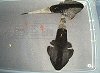 Pseudohemiodon
apithanos |
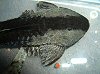 Pseudohemiodon
apithanos Dorsal view |
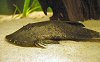 Pseudohemiodon
apithanos |
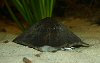 Pseudohemiodon
apithanos Head on view |
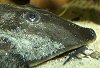 Pseudohemiodon
apithanos Head view |
 Pseudohemiodon apithanos |
If you would like to contribute to the monthly factsheets with an article, information or photos, please e-mail me. You will of course be credited for your work.

If you would like to donate any denomination of monies to the site just click the above link button. All proceeds will go to running the site and hopefully to keep it going for a few years yet.

