SCOTCAT.COM
your internet guide to all things catfish
Pseudorinelepis genibarbis (Valenciennes, 1840) |
Image contributors to this species: |
Haakon Haagensen (1) Daniel Konn-Vetterlein (1) Pleco John (1) Jorge Garcia (2) |
ScotCat Sources: |

|
Other Sources: |
|


Relevant Information: |
Very similar to Pseudorinelepis sp. (L095) but L095 has noticeable orange cheeks which P. genibarbus does not posses. Description: Dorsal spines (total): 2; Dorsal soft rays (total): 7 - 7; Anal spines: 1; Anal soft rays: 5. Habitat: Found in small sluggish streams, floodplain lakes and large rivers. Water quality measurements from Ushpa Caño showed that the water was very low in oxygen, but neutral (pH 7.0). Was observed to breathe air and when disturbed, would swim through the water column remaining neutrally buoyant. The species is not an obligate air-breather and does not routinely gulp air in well-oxygenated aquaria. This is one of the Loricariidae genera that does not posses an iris lobe in the eye and also has no adipose fin. Aquarium Care: Grows rather large and would need a large tank to accommodate it. Sexual Differences: Males have a longer head and difference in the genital papilla whereas the males anal opening is thick and bulging while the females is short and indented for protection. Diet: Omnivore: Feed veg, frozen foods and also tablet and pellet food. Etymology: The specific name genibarbis: génys, jaw (usually the cheek or lower jaw in ichthyology); barbis (scientific Neo-Latin), barbel, referring to interoperculum armed with a bundle of long erectile spines (similar to a tuft of hairs). |
Common Name: |
Pine-cone pleco |
Synonyms: |
Rinelepis genibarbis, R.agassizii, Pseudorinelepis agassizi, P.agassizii, P.pellegrini, P.carachama, Plecostomus pellegrini, Monistiancistrus carachama |
Family: |
Loricariidae |
Distribution: |
South America: Middle and upper Amazon drainage in Brazil, Ecuador, and Peru. Type locality: probablement du Brésil. |
Size: |
50.0cm. (20ins) |
Temp: |
25-29°c (77-85°f) |
p.H. |
|
6.5-7.2. |
IUCN Red List |
Despite the little information available on this species, it has a wide range and no apparent threats. Therefore, it is assessed as Least Concern (IUCN 2023). |
Reference: |
|
Ferraris, C.J. Jr.,
2007. Checklist of catfishes, recent and fossil (Osteichthyes:
Siluriformes), and catalogue of siluriform primary
types. Zootaxa 1418:1-628. |

Family: Loricariidae Back to Ident-A-Cat Click on Thumbnails |
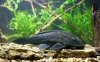 Pseudorinelepis
genibarbis Pseudorinelepis
genibarbis |
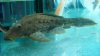 Pseudorinelepis
genibarbis Pseudorinelepis
genibarbis |
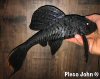 Pseudorinelepis
genibarbis Pseudorinelepis
genibarbis |
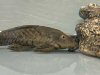 Pseudorinelepis
genibarbis Pseudorinelepis
genibarbis |
 Pseudorinelepis
genibarbis Pseudorinelepis
genibarbisHead view |
If you would like to contribute to the monthly factsheets with an article, information or photos, please e-mail me. You will of course be credited for your work.

If you would like to donate any denomination of monies to the site just click the above link button. All proceeds will go to running the site and hopefully to keep it going for a few years yet.

