SCOTCAT.COM
your internet guide to all things catfish
Pangasius pangasius (Hamilton, 1822) |
Image contributors to this species: |
Johnny Jensen's Photographic Library (1) Andrew Rao (2) |
ScotCat Sources: |
|
|

Other Sources: |
|


Relevant Information: |
Description: Dorsal spines (total): 2; Dorsal soft rays (total): 7 - 7; Anal spines: 0; Anal soft rays: 29 - 32. Eye small, its diameter more than 7 times in head length (in 18 cm long specimens); bright yellow caudal fin in adults; maxillary barbel extends to gill aperture; 23-28 gill rakers on first arch. Found in large rivers and estuaries. Occurs in high estuary (freshwater tidal zone) as juveniles, moving to brackish water as sub-adults, and finally as adults to river mouths and inshore areas. Longevity given as 10 years but appears too low. Reproduction: Reared for consumption in Thailand, Cambodia and Vietnam; excellent food fish with very white fine grained sweet flesh. Diet: Feeds on snails, other mollusks and plants. Etymology: The specific name pangasius: Latinisation of pangas, Assamese name for this catfish in India. Remarks: This catfish is not really recommended for the home aquarium as they grow too big and have special requirements that we as aquarists can never attain. Do not buy from Fish stores if they are labeled as such, or as Pangasius species. |
Common Name: |
Yellowtail catfish |
Synonyms: |
Pimelodus pangasius, Pangasius buchanani, Pangasius pangasius godavarii, Pangasius pangasius upiensis |
Family: |
Pangasiidae |
Distribution: |
Asia: Rivers and estuaries of Indian subcontinent. Type locality: Estuaries of Bengal. |
Size: |
300.0cm. (10ft.0ins) |
Temp: |
23-28°C (73-83°F) |
p.H. |
|
6.0-7.5. |
IUCN Red List |
Available catch data for Pangasius pangasius suggests that it is being overexploited resulting in inferred population declines. In the absence of such data from throughout its entire range and observations that this species is still commonly encountered, this species is assessed as Least Concern for now, but further monitoring is needed to fully ascertain the effects of fishing mortality on this species and needs updating (IUCN 2010). |
Reference: |
Froese, R. and D. Pauly.
Editors. 2009. FishBase. World Wide Web electronic
publication. www.fishbase.org, version (02/2010). |

Family: Pangasiidae Back to Ident-A-Cat Click on Thumbnails |
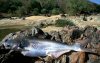 Pangasius pangasius
 |
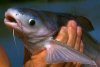 Pangasius
pangasius Pangasius
pangasius |
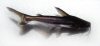 Pangasius pangasius
Juvenile |
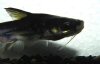 Pangasius
pangasius Pangasius
pangasiusJuvenile - head view |
If you would like to contribute to the monthly factsheets with an article, information or photos, please e-mail me. You will of course be credited for your work.

If you would like to donate any denomination of monies to the site just click the above link button. All proceeds will go to running the site and hopefully to keep it going for a few years yet.

