SCOTCAT.COM
your internet guide to all things catfish
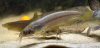
Neosilurus hyrtlii Steindachner, 1867 |
Image contributors to this species: |
Andrew Hall (3) Peter J. Unmack (1) Dave Wilson (1) Caity LaFleur (1) |
ScotCat Sources: |
|
|

Other Sources: |
|


Relevant Information: |
Habitat: Found in clear, flowing streams, turbid rivers, lakes and stagnant pools. Also inhabits billabongs. and is a shoaling species forming groups. Reproduction: In the northern populations, breeding occurs at the beginning of the wet season (January to March) in shallow sandy areas in the upper reaches of streams. The spawning habits of interior populations are unknown. Diet: Feeds on insects, crayfish, prawns, mollusks, worms and crustaceans. Etymology: The specific name hyrtlii: Patronym not identified, possibly in honour of Steindachner’s Austrian colleague, anatomist Josef Hyrtl (1810–1894). Remarks: Further research on the many geographic populations is required as there is a strong possibility that Hyrtl's Tandan may actually represent more than one species. |
Common Name: |
Hyrtl's Tandan |
Synonyms: |
Silurichthys australis, Neosilurus australis, Eumeda elongata, Neosilurus robustus, Copidoglanis glencoensis, Neosilurus glencoensis, Neosilurus mortoni |
Family: |
Plotosidae |
Distribution: |
Oceania: Endemic to Australia. Northern Australia, from the Pilbara and Kimberley regions of Western Australia eastward across Arnhem Land and the Gulf of Carpentaria drainage to the coastal systems of eastern Queensland as far south as the Mary River. Also found throughout much of the central desert drainage system of South Australia, Queensland, and the Northern Territory. |
Size: |
30.0cm. (12ins) |
Temp: |
22-28°C (71-83°F) |
p.H. |
|
6.5-8.0. |
IUCN Red List |
Listed as Least Concern because it is widespread, common and there are no major threats, (IUCN 2019). |
Reference: |
|
Allen, Dr. Gerald R.;
Freshwater Fishes of Australia p62. TFH Publications,
Inc. 1989. |

Family: Plotosidae Back to Ident-A-Cat Click on Thumbnails |
 Neosilurus hyrtlii
 |
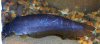 Neosilurus
hyrtlii Neosilurus
hyrtlii |
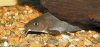 Neosilurus
hyrtlii Neosilurus
hyrtliiHead view |
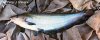 Neosilurus
hyrtlii Neosilurus
hyrtlii |
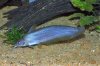 Neosilurus hyrtlii
 |
 Neosilurus
hyrtlii Neosilurus
hyrtlii |
If you would like to contribute to the monthly factsheets with an article, information or photos, please e-mail me. You will of course be credited for your work.

If you would like to donate any denomination of monies to the site just click the above link button. All proceeds will go to running the site and hopefully to keep it going for a few years yet.

