SCOTCAT.COM
your internet guide to all things catfish
Ompok hypophthalmus (Bleeker 1846) |
Image contributors to this species: |
ScotCat Sources: |
|
|

Other Sources: |
|


Relevant Information: |
Description: Dorsal soft rays (total): 4; Anal soft rays: 74 - 84; Vertebrae: 54 - 55. Head width 10.0-10.7% SL; caudal peduncle depth 4.3-5.1% SL; 74-80 anal fin rays, and 54-55 vertebrae. Dorsal fin much shorter than head length; maxillary barbel extending to middle of anal fin; mandibular barbels shorter than head; a small distinct spot at caudal-fin base; vomerine tooth patches joined at midline by narrow strip of teeth Elongated dark blotch above pectoral base; sometimes a mid-lateral stripe on body; pointed caudal lobes Habitat: Lives in lowland rivers and streams including peats. Occurs in medium to large-sized rivers. Found in slowly moving waters and lakes. Moves into seasonally flooded habitats during periods of high water and can usually be found around submerged woody vegetation. Diet: Feeds on fishes, prawns, and crustaceans. Etymology: The specific name hypophthalmus: With an eye-spot below, (under), referring to placement of eyes on lower half of head. |
Common Name: |
None |
Synonyms: |
Silurus hypophthalmus, Silurus macronema |
Family: |
Siluridae |
Distribution: |
Asia: Ciliwung and Brantas River basins, Java, and Barito River basin, southern Borneo. Type locality: Batavia. Type(s) (size and number not stated): Whereabouts unknown. |
Size: |
30.0cm. (12ins) |
Temp: |
21-27°C (69-81F) |
p.H. |
|
6.0-7.0. |
IUCN Red List |
Potential threats include habitat degradation resulting from deforestation due to logging, land conversion for plantation agriculture, overfishing and pollution. However, the direct impact of these threats to habitat extent and population status are unknown, although it is suspected that they may be severe enough in Java to threaten this species with extirpation there. Even if this species were extirpated in Java, it is still common in the Barito River drainage, with an estimated EOO of 29,880 km2 (the catchment area of the Barito River). As such, Ompok hypophthalmus is assessed as Least Concern, (IUCN 2020). |
Reference: |
Ferraris,
C.J. Jr., 2007.
Checklist of catfishes, recent and fossil (Osteichthyes:
Siluriformes), and catalogue of siluriform primary
types. Zootaxa 1418:1-628. |

Family: Siluridae Back to Ident-A-Cat Click on Thumbnails |
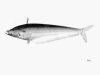 Ompok hypophthalmus Line Drawing |
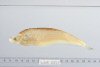 Ompok
hypophthalmus |
If you would like to contribute to the monthly factsheets with an article, information or photos, please e-mail me. You will of course be credited for your work.

If you would like to donate any denomination of monies to the site just click the above link button. All proceeds will go to running the site and hopefully to keep it going for a few years yet.

