SCOTCAT.COM
your internet guide to all things catfish
Henonemus punctatus (Boulenger, 1887) |
Image contributors to this species: |
Peru Aquarium Group (1) Robin Warne (1) Ben Lee (1) Jair Panduro Gil (1) Kiruya Momochi (3) |
ScotCat Sources: |
|
|

Other Sources: |
|


Relevant Information: |
The genus Henonemus (Stegophilus) are true parasitic catfishes which live in the gill chambers of larger fishes such as the larger members of the Pimelodidae family. They bite into the gill filaments and suck the blood. Diet: They can be fed worm foods in the aquarium (Lee, Ben, 2021). Etymology: The genus name Henonemus: henós, one, thread, referring to the single maxillary barbel. The specific name punctatus: From the Latin punctatus = 'spotted'. |
Common Name: |
None |
Synonyms: |
Stegophilus punctatus |
Family: |
Trichomycteridae |
Distribution: |
South America: Amazon River basin of Brazil, Ecuador and Peru. Type locality: Canelos. |
Size: |
8.0cm. (3¼ins) |
Temp: |
23-26°c (73-79°f.) |
p.H. |
|
6.0-7.0. |
IUCN Red List |
Despite the little information available on this species, it is assessed as Least Concern due to its wide range, (IUCN 2023). |
Reference: |
Brejão, G.L.
2023. Henonemus punctatus. The IUCN Red List
of Threatened Species 2023. |

Family: Trichomycteridae Back to Ident-A-Cat Click on Thumbnails |
 Henonemus punctatus
 |
 Henonemus punctatus
 |
 Henonemus
punctatus Henonemus
punctatus |
 Henonemus
punctatus Henonemus
punctatus |
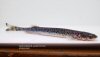 Henonemus
punctatus Henonemus
punctatus |
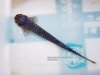 Henonemus
punctatus Henonemus
punctatusDorsal view |
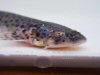 Henonemus
punctatus Henonemus
punctatusHead view |
If you would like to contribute to the monthly factsheets with an article, information or photos, please e-mail me. You will of course be credited for your work.

If you would like to donate any denomination of monies to the site just click the above link button. All proceeds will go to running the site and hopefully to keep it going for a few years yet.

