SCOTCAT.COM
your internet guide to all things catfish
Pseudacanthicus fordii (Günther, 1868) |
Image contributors to this species: |
NHM (3) |
ScotCat Sources: |
|

Other Sources: |
|
|


Relevant Information: |
The Pseudacanthicus genera have the common name of Cactus catfishes due to their bodies being covered with spiny odontodes. Their mouths are small with a few bicuspid teeth in the jaws. Aquarium Care: Pseudacanthicus can be highly territorial especially when adult, so a large aquarium of at least 5ft (150cm) would be beneficial to this species. Provide plenty of shelters in the aquarium and line -of- sight barriers if more than one species is kept. Diet: As with all of this genera they are carnivores and would need to be fed on frozen foods such as Artemia, mosquito larvae, mysis and shrimp. They can also be fed pellet and tablet foods. Etymology: The genus name Pseudacanthicus: pseudo-, false, i.e., although this genus may superficially resemble Acanthicus, such an appearance is false. The specific name fordii: in honour of “Mr. Ford,” probably George Henry Ford (1809-1876), who illustrated specimens (including fishes) for the British Museum (Natural History) [in 1861, Günther named a snake after Ford, Epicrates fordii, praising his “truly artistical drawings”]. |
Common Name: |
None |
Synonyms: |
Chaetostomus fordii |
Family: |
Loricariidae |
Distribution: |
South America: Coastal drainages of Suriname. |
Size: |
23.0cm. (9ins) TL. |
Temp: |
23-28°c (73-83°f) |
p.H. |
|
6.0-7.5. |
IUCN Red List |
This species is known only from the type material, for which provenance is uncertain and currently thought to come from Suriname without further data. There is no information on the population or potential threats. Therefore, it is assessed as Data Deficient. It should also be noted that this species is probably a synonym of Pseudacanthicus serratus. Further taxonomic research is recommended (IUCN 2023). |
Reference: |
Ferraris, C.J. Jr.,
2007. Checklist of catfishes, recent and fossil (Osteichthyes:
Siluriformes), and catalogue of siluriform primary
types. Zootaxa 1418:1-628. |

Family: Loricariidae Back to Ident-A-Cat Click on Thumbnails |
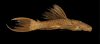 Pseudacanthicus
fordii Pseudacanthicus
fordii |
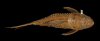 Pseudacanthicus
fordii Pseudacanthicus
fordiiDorsal view |
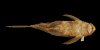 Pseudacanthicus
fordii Pseudacanthicus
fordiiVentral view |
If you would like to contribute to the monthly factsheets with an article, information or photos, please e-mail me. You will of course be credited for your work.

If you would like to donate any denomination of monies to the site just click the above link button. All proceeds will go to running the site and hopefully to keep it going for a few years yet.

