SCOTCAT.COM
your internet guide to all things catfish
Conorhynchos conirostris (Valenciennes, 1840) |
Image contributors to this species: |
Jian Ruilong (1) C.B.M Alves (1) Drake Shaw (3) |
ScotCat Sources: |
|
|

Other Sources: |
|


Relevant Information: |
Description: The genus name of Conorhynchus pertains to the conical shaped snout of this species. It does not appear to be assignable to any family and is placed incertae sedis. However, it has been grouped into the superfamily Pimelodoidea due to molecular evidence. Habitat: Conorhynchos conirostris is endemic to the São Francisco River in Brazil and is considered a symbol of the river. Aquarium Care: Not imported very often so there is not too much information on keeping this species in the aquarium. Will grow large and is probably not suitable for most tanks unless by an experienced big catfish keeper. Etymology: The specific name conirostris: conus, from kwnos, cone; rostris, Neo-Latin scientific adjective of rostrum (L.), snout, like the generic name, referring to its elongate, conical snout [often incorrectly dated to Valenciennes 1840]. |
Common Name: |
None |
Synonyms: |
Pimelodus conirostris, Conorhynchus glaber |
Family: |
Pimelodidae |
Distribution: |
South America: Rio São Francisco, Brazil. |
Size: |
53.5cm. (21½ins) |
Temp: |
22-25°C (71-77°F) |
p.H. |
|
6.0-7.0. |
IUCN Red List |
Conorhynchos conirostris was once distributed throughout the São Francisco River basin. Currently, it is most representative in the upper-middle São Francisco region, in the main channel and lower reaches of larger tributaries, in the stretch considered to be between the downstream of the Três Marias Hydroelectric Power Plant dam and the backwater of the Sobradinho Hydroelectric Power Plant reservoir. It shows a clear population decline due to environmental changes in drainage systems, fishing pressure, and especially the construction of dams. Considering that the species is currently found in only 50% of its original area of occupancy (AOO) and extent of occurrence (EOO), it is estimated that the population has declined by at least 50% in size over the last 30 years or three generations. This period coincides with the construction of the large hydroelectric plants on the lower São Francisco River. Therefore, the species has been categorised as Endangered (EN). (IUCN 2021). |
Reference: |
Biologia Reprodutiva
do Pirá
Conorhynchus conirostris Valenciennes, 1840
(Pisces: Pimelodidae) do Rio São Francisco,
Região de Pirapora, Minas Gerais (Portuguese)". |

Family: Pimelodidae Back to Ident-A-Cat Click on Thumbnails |
 Conorhynchos
conirostris Conorhynchos
conirostris |
 Conorhynchos conirostris
From Rio Sao Francisco |
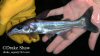 Conorhynchos
conirostris Conorhynchos
conirostris |
 Conorhynchos
conirostris Conorhynchos
conirostrisDorsal view |
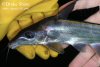 Conorhynchos
conirostris Conorhynchos
conirostrisHead view |
If you would like to contribute to the monthly factsheets with an article, information or photos, please e-mail me. You will of course be credited for your work.

If you would like to donate any denomination of monies to the site just click the above link button. All proceeds will go to running the site and hopefully to keep it going for a few years yet.

