SCOTCAT.COM
your internet guide to all things catfish
Chaetostoma formosae Ballen, 2011 |
Image contributors to this species: |
Johnny Jensen's Photographic Library (4) Mike Jacobs (1) |
ScotCat Sources: |
|
|

Other Sources: |
|


Relevant Information: |
Often found in shipments alongside C. dorsale. Can be identified by the spotted head and the black lines on the edges of the body plates. Description: Chaetostoma formosae differs from all the species currently in Chaetostoma with the exception of Chaetostoma anale and Chaetostoma jegui by the presence in mature males of an enlarged second unbranched anal-fin ray bearing two distinct posterior dermal folds, and reaching the base of the caudal fin when fully developed. Chaetostoma formosae differs from C. anale in having an angular distal pelvic-fin margin in mature males (vs. W-shaped distal margin in mature C. anale males and the leading pelvic-fin ray neither elongate nor filamentous, not reaching beyond the adjacent branched ray in mature males (vs. leading pelvic-fin ray both enlarged and filamentous, longer than the remaining rays in mature males of C. anale). Chaetostoma formosae differs from C. jegui in having dark spots restricted to the head and the dorsal region surrounding the dorsal-fin base, and with compound pterotic and lateral plates bordered by dark pigment (vs. dark background with light blotches in C. jegui); and by the shape of the distal margin of the pelvic fin strongly projected and angular in mature males, vs. distal margin straight and with leading-fin ray sometimes surpassing the distal margin of the fin as evident in photographs). Aquarium Care: Will need a good water flow in the aquarium with a sand substrate and plenty of hiding places. Diet: Great algae eater, but you will have to subsidise this food with algae wafers and vegetable foods such as cucumber, zucchini and lettuce. Will also except tablet and worm foods. Sexual Differences: Males have better colour, a broader head and lips and adult males possess longer ventral fins than the females. Etymology: The specific name formosae: An adjective in genitive case derived from the latin formosa which means beautiful, referring to the author’s sister, Laura María Ballen, for her unconditional love and support. Remarks: The Chaetostoma species are not the easiest to maintain as the mountain stream species will need a water current to provide oxygen-rich water. |
Common Name: |
Synonyms: |
None |
Family: |
Loricariidae |
Distribution: |
South America: Colombia, known from western piedmont tributaries of the upper río Meta and Guaviare basins, in departments of Meta and Casanare, Eastern Colombia, Orinoco drainage. |
Size: |
10.0cm. (4ins) |
Temp: |
22-27°c (71-81°f.) |
p.H. |
|
6.0-7.5. |
IUCN Red List |
The distribution of Chaetostoma formosae is restricted to piedmont and mountain rivers and the Meta and Guaviare drainages, where it is usually common. Some rivers in the wide extension of occurrence of the species are well-preserved, however, a number of pervasive threats exist in several drainages associated with the expansion of the agricultural and urban frontiers, including deforestation, land-use change, sedimentation and urban effluents. This is resulting in a continuing decline in habitat. The area of occupancy (AOO) is best estimated at 1,312 km². There are 2–4 threat-based locations. Therefore, Chaetostoma formosae is assessed as Vulnerable (IUCN 2021). |
Reference: |
Ballen, G.A.,
2011. A new species of Chaetostoma Tschudi (Siluriformes:
Loricariidae) from Colombia with a definition of the
C. anale species group. Papéis Avulsos de Zoologia
51(26):383-398. |

Family: Loricariidae Back to Ident-A-Cat Click on Thumbnails |
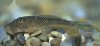 Chaetostoma
formosae Chaetostoma
formosae |
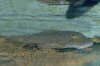 Chaetostoma
formosae Chaetostoma
formosae |
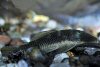 Chaetostoma
formosae Chaetostoma
formosae |
 Chaetostoma
formosae Chaetostoma
formosae |
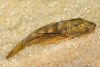 Chaetostoma
formosae Chaetostoma
formosae |
If you would like to contribute to the monthly factsheets with an article, information or photos, please e-mail me. You will of course be credited for your work.

If you would like to donate any denomination of monies to the site just click the above link button. All proceeds will go to running the site and hopefully to keep it going for a few years yet.

