SCOTCAT.COM
your internet guide to all things catfish
Loricaria teteae Serejo-Saraiva, Piorski, Ottoni, Sabaj & Lima, 2026 |
Image contributors to this species: |
ScotCat Sources: |
|

Other Sources: |
|
|

Relevant Information: |
Description: Loricaria teteae differs from all congeners, except L. cataphracta, L. clavipinna, L. cuffyi, L. lata, L. nimairaco, L. piracicabae, L. thomasi and L. tucumanensis, by having median abdominal region and pectoral girdle fully covered by dermal plates (vs. median abdominal region and pectoral girdle partially covered). Loricaria teteae differs from L. cataphracta by having narrower head (12.1%–17.0% SL vs. 17.2%–25.0% SL) and smaller abdominal length (10.7%–13.8% vs. 14.3%–17.7% SL); from L. clavipinna by having greater interorbital distance (17.1%–22.5% HL vs. 16.7%–17.2% HL) and longer basicaudal plate (14.8%–24.5% HL vs. 11.9%–14.4% HL); from L. cuffyi by having conspicuous and deep postorbital notch (vs. notch inconspicuous, rounded and shallow); from L. lata by fewer anterior lateral plates (16–20 vs. 19–22) and more posterior plates (14–17, usually 15 vs. 12–14); from L. nimairaco by presence of dark spots on pectoral fin (vs. absence), and by absence of uniform black or dark-brown pigmentation or paired longitudinal stripes extending from head to dorsal-fin origin (vs. presence); from L. piracicabae by presence of bicuspid teeth and distinct postorbital notch (vs. unicuspid teeth and absence of postorbital notch); from L. thomasi by 14–16 buccal papillae posterior to premaxilla (vs. 25–29); from L. tucumanensis by larger minimum orbital diameter (12.6%–18.5% vs. 11.9%–12.1% of snout length), longer basicaudal plate (3.0%–4.0% SL vs. 2.4%–2.8% SL), and longer pectoral fin (57.8%–66% vs. 56.65%–57.9% of predorsal length). Loricaria teteae differs from geographically proximate species L. turi and L. parnahybae by presence of plates fully covering pectoral girdle (vs. pectoral girdle only partially covered). It also differs from Loricaria catirina by presence of deep, angular postorbital notch (vs. notch short, rounded), (Serejo-Saraiva et. al. 2026). Habitat: Loricaria teteae is known from the middle and lower sections of the Itapecuru River in Maranhão State, Brazil. This basin is located in the Cerrado biome and in the Amazon Estuary and Coastal Drainages ecoregion, as defined by Abell et al. (2008). Aquarium Care: Soft substrate such as sand is beneficial. High oxygen levels, frequent water changes and strong filtration is called upon. Provide plants and bogwood for shelter. Diet: aufwuchs feeder. Etymology: The specific epithet ‘teteae’ honours Almerice da Silva Santos (1924–2011), better known as Dona Teté, an influential composer, singer, and dancer of Cacuriá from Maranhão. A central figure in Maranhão's popular culture, she played a pivotal role in the appreciation, preservation, and renewal of regional dance traditions, transmitting them across generations. Her cultural legacy was officially recognised in 2025, when the Government of Maranhão established the State Day of Cacuriá, celebrated annually on June 27, her birthday. |
Common Name: |
None |
Synonyms: |
None |
Family: |
Loricariidae |
Distribution: |
South America: Middle and lower sections of the Itapecuru River in Maranhão State, Brazil. |
Size: |
25.0cm. (8½ins) |
Temp: |
25-29°c (77-85°f.) |
p.H. |
|
6.0-7.0. |
IUCN Red List |
Not Evaluated (Data Deficiant). |
Reference: |
Fish
in the News
2026 |

Family: Loricariidae Back to Ident-A-Cat Click on Thumbnails |
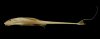 Loricaria
teteae Loricaria
teteaeHolotype-lateral view |
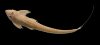 Loricaria
teteae Loricaria
teteaeHolotype-dorsal view |
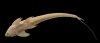 Loricaria
teteae Loricaria
teteaeHolotype-ventral view |
If you would like to contribute to the monthly factsheets with an article, information or photos, please e-mail me. You will of course be credited for your work.

If you would like to donate any denomination of monies to the site just click the above link button. All proceeds will go to running the site and hopefully to keep it going for a few years yet.

