SCOTCAT.COM
your internet guide to all things catfish
Pseudepapterus hasemani (Steindachner, 1915) |
Image contributors to this species: |
Kiruya Momochi (1) |
ScotCat Sources: |
|
|

Other Sources: |
|


Relevant Information: |
Description: Dorsal soft rays (total): 5-6; Anal soft rays: 52 - 63; Vertebrae: 51 - 54. Habitat: Amazon River and many of its major tributary rivers. Also known from the Tocantins River basin. Etymology: The genus name Pseudepapterus: pseudo-, false; referring to similarity of P. hasemani to Epapterus dispilurus, particularly the reduced dorsal fin. The specific name hasemani: in honour of John D. Haseman (1882-1969), field collector for the Carnegie Museum of Natural History, who collected type. |
Common Name: |
None |
Synonyms: |
Auchenipterus hasemani |
Family: |
Auchenipteridae |
Distribution: |
South America: Amazon River basin (Brazil, Colombia and Peru). Type locality: Pará (Belem) [Brazil]. |
Size: |
10.0cm (4ins) |
Temp: |
22-25°c (71-77°f.) |
p.H. |
|
6.0-7.0. |
IUCN Red List |
The species is widely distributed and faces no major threats. Therefore, it is assessed as Least Concern (LC), (IUCN 2023). |
Reference: |
Burgess, W.E.,
1989. An atlas of freshwater and marine catfishes.
A preliminary survey of the Siluriformes. T.F.H. Publications,
Inc., Neptune City, New Jersey (USA). 784 p. |

Family: Auchenipteridae Back to Ident-A-Cat Click on Thumbnails |
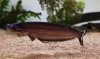 Pseudepapterus
hasemani |
If you would like to contribute to the monthly factsheets with an article, information or photos, please e-mail me. You will of course be credited for your work.

If you would like to donate any denomination of monies to the site just click the above link button. All proceeds will go to running the site and hopefully to keep it going for a few years yet.

