SCOTCAT.COM
your internet guide to all things catfish
Callichthys callichthys (Linnaeus, 1758) |
Image contributors to this species: |
Danny Blundell (3) Allan James (6) Frants Lehmann (1 stamp) Peru Aquarium Group (1) Caio Feltrin (2) |
ScotCat Sources: |
|


Other Sources: |
|


Relevant Information: |
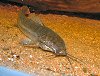
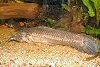
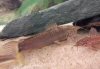
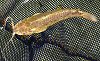
There are now four species in this genus C. fabricioi Román-Valencia, Lehmann A. & Muñoz, 1999, C. oibaensis Ardila Rodríguez, 2006, C. serralabium Lehmann A. & Reis, 2004, and C. callichthys (Linnaeus, 1758). Found in extreme environments, from anoxic conditions (slack water zones bordered by dense vegetation) to slightly turbid but free flowing streams. When its biotope becomes dry, it can move out of the water, due to its ability to breathe intestinally, in order to find another aquatic environment. Aquarium Care: Very adaptable to water conditions and can be housed with most other fish as long as they are not too small or overly aggressive. More than one can be kept or in groups of 5 or more: minimum aquarium size 120 cm. May be prone to digging and uprooting plants. Reproduction: During reproduction, the male's belly and first pectoral fin spine turns orange and becomes longer and thicker. The male builds a bubble nest with some floating plants, strongly guarding it after the female lays down her eggs (up to 120). Diet: Feeds at night on fish, insects and plant matter. Juveniles feed on rotifers, in addition to the micro-crustaceans and aquatic insect larvae they find when digging into the substrate. Etymology: The genus and specific name callichthys: Callich = hard skin; ichthys = fish. |
Common Name: |
Armoured Catfish, Cascarudo |
Synonyms: |
Callichthys asper, C.coelatus, C.laeviceps, C.loricatus, C.tamoata, Cataphractus callichthys, C.depressus, Silurus callichthys. |
Family: |
Callichthyidae |
Distribution: |
South America: Argentina, Bolivia, Brazil, Colombia, Ecuador, French Guiana, Guyana, Paraguay, Peru, Surinam, Trinidad & Tobago, Uruguay, Venezuela. |
Size: |
18.0cm (7ins) |
Temp: |
20-27°C (68-81°F) |
p.H. |
|
6.0-8.0. |
IUCN Red List |
The species seems to be abundant and has no direct threats. It is also widely distributed, and as such, it is assessed as Least Concern (IUCN 2023). |
Reference: |
Frederico, R.G.
2023. Callichthys callichthys. The IUCN Red
List of Threatened Species 2023. |

Family: Callichthyidae Back to Ident-A-Cat Click on Thumbnails |
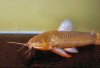 Callichthys
callichthys Callichthys
callichthysMale |
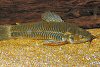 Callichthys
callichthys Callichthys
callichthysMale |
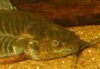 Callichthys
callichthys Callichthys
callichthysMale-showing head area |
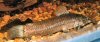 Callichthys
callichthys Callichthys
callichthys |
 Callichthys
callichthys Callichthys
callichthys |
 Callichthys
callichthys Callichthys
callichthys |
 Callichthys
callichthys Callichthys
callichthysCaptured Madre De Dios drainage Peru April 2017. Male to front female to rear. |
 Callichthys
callichthys Callichthys
callichthysMale |
 Callichthys
callichthys Callichthys
callichthysFemale |
 Callichthys
callichthys Callichthys
callichthysStamp |
 Callichthys
callichthys Callichthys
callichthys |
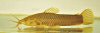 Callichthys
callichthys Callichthys
callichthys |
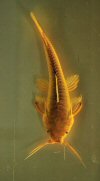 Callichthys
callichthys Callichthys
callichthysDorsal view |
If you would like to contribute to the monthly factsheets with an article, information or photos, please e-mail me. You will of course be credited for your work.

If you would like to donate any denomination of monies to the site just click the above link button. All proceeds will go to running the site and hopefully to keep it going for a few years yet.

