SCOTCAT.COM
your internet guide to all things catfish
Hassar orestis (Steindachner, 1875) |
Image contributors to this species: |
Mark Henry Sabaj (1) Daniel Blom (3) Johnny Jensen's Photographic Library (3) Charles Godfrey (1) Erling Holm (1) |
ScotCat Sources: |
|
|


Other Sources: |
|


Relevant Information: |
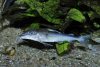
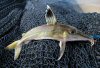
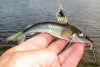
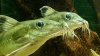
Similar looking to Nemadoras leporhinus but this species has longer leading fin rays and sports a clear dorsal with black markings at the base. Aquarium Care: For a large species it is non aggressive and can be kept with smaller species such as small characins, dwarf cichlids, small labyrinth species and also other small catfish such as Corydoras and the smaller members of the Loracariids. Provide a soft substrate such as fine sand as they like to sift through this for edibles and a sharp substrate could cause damage to its fine feathered barbels. Lone individuals will not do well in an aquarium setup so a group of three or more will be more beneficial to the long term health of this species. A planted aquarium is a must as they like to hide in the roots more so than having a rock or wood setup. Diet: Tablet foods, small live and frozen foods such as worms and Daphnia. Etymology: The specific name orestis: –is, Latin genitive singular of: American geologist Orestes Saint John (1841–1921), who collected holotype during Thayer Expedition to Brazil (1865–1866 (name was recommended by Louis Agassiz, leader of the Expedition). |
Common Name: |
Black Top Mouse Catfish |
Synonyms: |
Oxydoras orestis, Hassar notospilus, Hemidoras notospilus |
Family: |
Doradidae |
Distribution: |
South America: Amazon, Orinoco and Essequibo River basins. |
Size: |
20.5cm. (8¼ins) |
Temp: |
22-25°C (71-77°F) |
p.H. |
|
6.0-7.5. |
IUCN Red List |
Despite the little information available on this species, it has a wide range and no apparent threats. Therefore, it is assessed as Least Concern (IUCN 2023). |
Reference: |
Baensch, H.A. and R.
Riehl 1985 Aquarien
atlas. Band 2. Mergus, Verlag für Natur- und
Heimtierkunde GmbH, Melle, Germany. 1216 p. |

Family: Doradidae Back to Ident-A-Cat Click on Thumbnails |
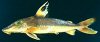 Hassar
orestis Hassar
orestis |
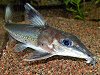 Hassar
orestis Hassar
orestis |
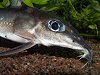 Hassar
orestis Hassar
orestisHead view |
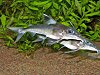 Hassar
orestis Hassar
orestis |
 Hassar
orestis Hassar
orestis |
 Hassar
orestis Hassar
orestis |
 Hassar
orestis Hassar
orestis |
 Hassar
orestis Hassar
orestisHead views |
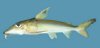 Hassar
orestis Hassar
orestisEssequibo River, Guyana |
If you would like to contribute to the monthly factsheets with an article, information or photos, please e-mail me. You will of course be credited for your work.

If you would like to donate any denomination of monies to the site just click the above link button. All proceeds will go to running the site and hopefully to keep it going for a few years yet.

