SCOTCAT.COM
your internet guide to all things catfish
FACTSHEETS: May 2026 - no. 359
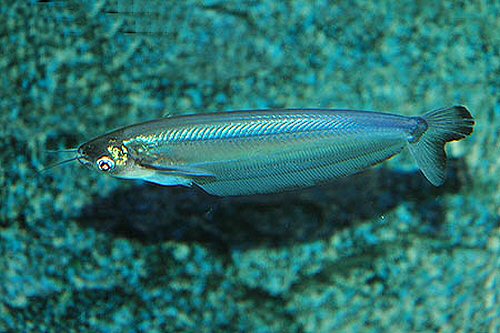
Kryptopterus cryptopterus (Bleeker, 1851) |
|
This is quite a diverse family, from the midwater shoaling Krytopterus to the predatory Wallago and the European wels, Silurus glanis. The difference between the families is quite straightforward: the Silurids do not possess an adipose fin, and most of the Shilbids do. The Silurids also have a small notch between the anal and caudal fin, whereas the Shilbids have this joined. Found in rivers, canals and also in the Great Lakes.
|
 ike the
Schilbeidae, the family Siluridae is known as "glass
catfishes" or "sheathfishes." Their
dorsal fin usually has fewer than seven rays, is sometimes
absent, and is not preceded by a spine. The adipose
fin is absent. Pelvic fins are small or sometimes
absent, while the anal fin base is very elongate with
41-110 rays. Nasal barbels are absent. One or two
pairs of barbels are found on the lower jaw (mandibular
barbels), and maxillary barbels, located at the corners
of the mouth, are usually elongate.
ike the
Schilbeidae, the family Siluridae is known as "glass
catfishes" or "sheathfishes." Their
dorsal fin usually has fewer than seven rays, is sometimes
absent, and is not preceded by a spine. The adipose
fin is absent. Pelvic fins are small or sometimes
absent, while the anal fin base is very elongate with
41-110 rays. Nasal barbels are absent. One or two
pairs of barbels are found on the lower jaw (mandibular
barbels), and maxillary barbels, located at the corners
of the mouth, are usually elongate.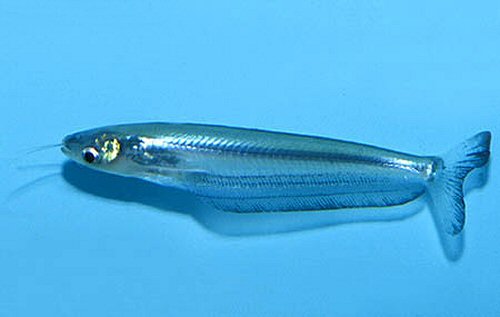
Common Name |
Blue Sheathfish |
Synonyms |
Silurus cryptopterus, Kryptopterus micropus |
Family |
Siluridae |
Subfamily |
- |
Habitat |
Endemic from the Congo basin, where it has been collected in the Lower Basin, Pool Malebo, the Kasai Subsystem, the middle Congo and the Uele Ubangui System, as well as in the Lualaba (including the Upemba System). |
Distribution |
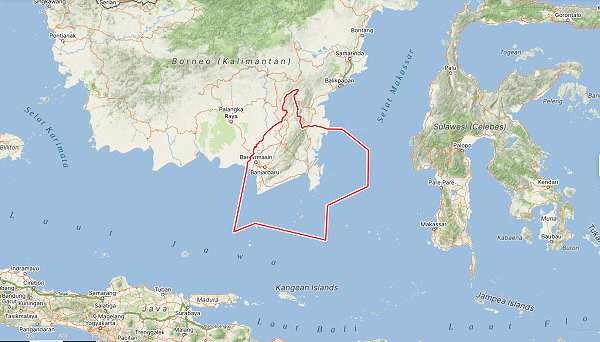
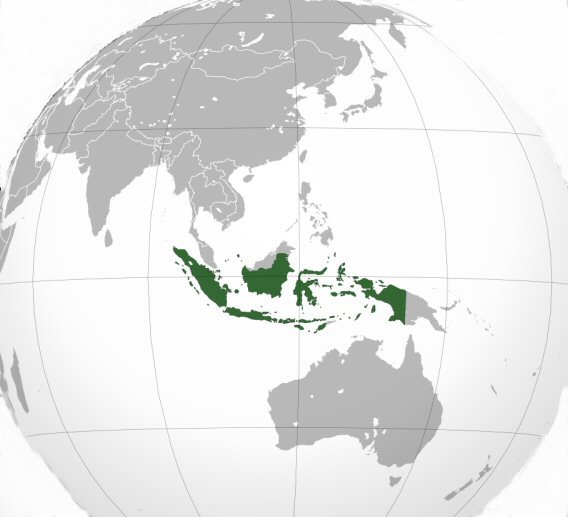
Asia: Mekong and Chao Phraya basins; also from the Malay Peninsula, Sumatra and Borneo. Type locality: Banjarmasin, South Kalimantan, Borneo, Indonesia. |
Size |
20.0cm. (8ins) |
Temp. |
22-25°C (71-77°F) |
p.H. |
6.0-7.0. |
Characteristics |
Maxillary barbels reaching to pectoral base. Rudimentary dorsal fin (one ray) present. Nearly straight dorsal profile with no nuchal concavity. 4-6 pelvic fin rays. The pectoral fin lengths greater than head length. 64-78 anal fin rays. |
Colouration |
Silvery opaque body, some olive hue dorsally, fins hyaline. Dark pectoral, caudal and anal fin margins. |
Aquarium Care & Compatibility |
| Quite a peaceful species that is best kept in a group, which needs a lot of swimming space. Will consider smaller fish (less than 4cm) as prey. Active during the day in a tank 4ft (120cm) or over with quiet tank mates. Provide a planted tank with overhanging or floating plants. |
Reproduction |
Spawns at the early part of the rainy season. The young move into seasonally flooded habitats and are first seen in August. |
Sexual differences |
Males are slimmer than the females. |
Diet |
| Small live foods and good quality flake. Frozen and tablet foods and small earthworms. |
Glossary of Terms |
Anal
fin: The median, unpaired,
ventrally located fin that lies behind the anus, usually
on the posterior half of the fish. |
Etymology |
| Kryptopterus:
Krypto
= hidden; pterus
= fin, (a reference to the almost
invisible one-rayed dorsal fin). |