SCOTCAT.COM
your internet guide to all things catfish
Heptapterus mustelinus (Valenciennes, 1835) |
Image contributors to this species: |
Acuario Marcelo (3) Johnny Jensen's Photographic Library (1) Evaristo Garcia (3) |
ScotCat Sources: |
|
|

Other Sources: |
|


Relevant Information: |
There is at present (2010) nine species in this genera and they used to all be in the Pimelodidae genus. Description: Their body is long and slender with a depressed head. The head is covered dorsally with a layer of thick skin. The occipital process is short and does not meet the predorsal plate, and the fontanel is narrow and usually extends to the occipital base, with or without an interruption behind the eyes. The dorsal and pectoral fins lack spines. The skin of these fish is usually naked (scaleless) and they exhibit three pairs of barbels. Habitat: In its natural habitat there is a report of H. armillatus seeming to prefer sand and a gravel bottom with a relatively fast flow of water or sluggish waters of the same stream where aquatic vegetation was lacking. Aquarium Care: Not usually kept in aquaria but there is a report that H. leptos was kept on a soft substrate with subdued lighting as they are quite secretive. Diet: Most prepared foods but prefers live. |
Common Name: |
None |
Synonyms: |
Pimelodus mustelinus, Heptapterus eigenmanni |
Family: |
Heptapteridae |
Distribution: |
South America: La Plata and Uruguay River basins and coastal drainages of southern Brazil. Type locality: Rio de la Plata. |
Size: |
9.0cm. (3½ins) |
Temp: |
18-24°C (63-75°F) |
p.H. |
|
6.5-7.2. |
Reference: |
Burgess, W.E.
1989 An atlas of freshwater and marine catfishes.
A preliminary survey of the Siluriformes. T.F.H. Publications,
Inc., Neptune City, New Jersey (USA). 784 p. |

Family: Heptapteridae Back to Ident-A-Cat Click on Thumbnails |
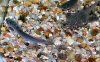 Heptapterus mustelinus
 |
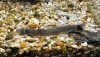 Heptapterus
mustelinus Heptapterus
mustelinus |
 Heptapterus
mustelinus Heptapterus
mustelinus |
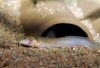 Heptapterus
mustelinus Heptapterus
mustelinus |
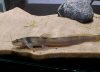 Heptapterus mustelinus
 |
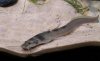 Heptapterus
mustelinus Heptapterus
mustelinus |
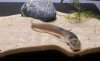 Heptapterus
mustelinus Heptapterus
mustelinusHead view |
If you would like to contribute to the monthly factsheets with an article, information or photos, please e-mail me. You will of course be credited for your work.

If you would like to donate any denomination of monies to the site just click the above link button. All proceeds will go to running the site and hopefully to keep it going for a few years yet.

