SCOTCAT.COM
your internet guide to all things catfish
Ancistrus sp. (L120/L182) |
Image contributors to this species: |
Allan James (2) Leigh Murphy (3) Chris Ralph (2) Vitor Hugo Quaresma (1) Daniel Konn-Vetterlein (1) Johnny Jensen's Photographic Library (2) |
ScotCat Sources: |
|

Other Sources: |
|
|

Relevant Information: |
First shown in the German DATZ magazine of April 1993 as L120 from Guyana. L182 was also named in the same magazine of September 1994 but was collected in the lower course of the Rio Branco, Brazil. There is ongoing confusion with this species. It is similar to Ancistrus hoplogenys (Günther, 1864) in its juvenile stage but it does not posses the rusty coloured edges to the fins as another species has, namely A. punctatus which has been given the L numbers of 120 and 182. Fishbase does not have A. punctatus registered but has it listed as a synonym of A. hoplogenys. There does need some work to be carried out on these two Ancistrus species in the future. Aquarium Care: As this is one of your larger Ancistrus sp. you would need to provide a good sized tank and hiding places. Water quality should be kept high with good filtration as this species can produce a lot of waste. Diet: The usual Ancistrus fare with vegetable foods high on its list such as cucumber and courgette (zucchini). Tablet , pellet foods and algae wafers are also much appreciated. Soft wood can be provided in the aquarium. Reproduction: The female lays her eggs in caves or crevices... that the male has chosen and cleaned.... as a cluster. The male usually then guards the eggs after ejecting the female. The fry then cling to the sides of the cave and when they use up their yolk sac, which is around the four to seven day period, they will be ready to feed on infusuria, vegetable matter, brine shrimp naupli or micro worms. In a community tank a few will survive if enough hiding places are afforded to them. |
Common Name: |
Starlight Bristlenose Pleco, L182, L120 |
Synonyms: |
None |
Family: |
Loricariidae |
Distribution: |
South America: Guyana, exact locality not known. |
Size: |
25.0cm. (10ins) |
Temp: |
25-29°c (77-85°f.) |
p.H. |
|
5.5-7.5. |
IUCN Red List |
Not evaluated |
Reference: |
All L-Numbers Datz
Special: Habitat, Care & Diet. |

Family: Loricariidae Back to Ident-A-Cat Click on Thumbnails |
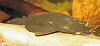 Ancistrus
sp. (L120/L182) Ancistrus
sp. (L120/L182)Male |
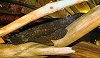 Ancistrus
sp. (L120/L182) Ancistrus
sp. (L120/L182) |
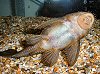 Ancistrus
sp. (L120/L182) Ancistrus
sp. (L120/L182)Showing mouth structure |
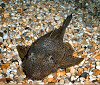 Ancistrus
sp. (L120/L182) Ancistrus
sp. (L120/L182) |
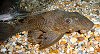 Ancistrus
sp. (L120/L182) Ancistrus
sp. (L120/L182)Female |
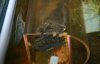 Ancistrus
sp. (L120/L182) Ancistrus
sp. (L120/L182) Male fanning newly hatched fry inside an old Bioplast plastic CO2 diffuser |
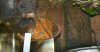 Ancistrus
sp. (L120/L182) Ancistrus
sp. (L120/L182) Male fanning newly hatched fry inside an old Bioplast plastic CO2 diffuser |
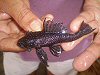 Ancistrus
sp. (L120/L182) Ancistrus
sp. (L120/L182)Female |
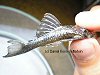 Ancistrus
sp. (L120/L182) Ancistrus
sp. (L120/L182) |
 Ancistrus
sp. (L120/L182) Ancistrus
sp. (L120/L182) |
 Ancistrus
sp. (L120/L182) Ancistrus
sp. (L120/L182) |
If you would like to contribute to the monthly factsheets with an article, information or photos, please e-mail me. You will of course be credited for your work.

If you would like to donate any denomination of monies to the site just click the above link button. All proceeds will go to running the site and hopefully to keep it going for a few years yet.

