SCOTCAT.COM
your internet guide to all things catfish
Aphanotorulus horridus (Kner, 1854) |
Image contributors to this species: |
Nathan Lujan (3) |
ScotCat Sources: |
|

Other Sources: |
|


Relevant Information: |
Given the L-numbers of Squaliforma sp. L290 and L291 (being the juvenile form) in the German Datz publication of March 2001. Was originally described as Hypostomus horridus by Rudolf Kner in 1854, although it was transferred to the genus Squaliforma (now considered invalid) after the genus' designation by I. J. H. Isbrücker, I. Seidel, J. Michels, E. Schraml, and A. Werner in 2001. In 2004, Jonathan W. Armbruster classified the species within Hypostomus instead of Squaliforma. In 2016, following a review of Isorineloricaria and Aphanotorulus by C. Keith Ray and Armbruster (both of Auburn University), the species was reclassified as a member of Aphanotorulus, although FishBase still lists the species as Squaliforma horrida. This 2016 review also found three other former Squaliforma species (S. biseriata, S. scopularia, and S. virescens) to be synonymous with A. horridus. Description: Mouth with papillae and upper lips have protrusions. Sexual Differences: Similar to the Hypostomus genera but with the males having bristles on the odontodes mainly on the posterier of the body during spawning time. Aquarium Care: Relatively easy to keep with higher temperatures and a fine sand substrate. Diet: Not fussy and will eat most prepared aquarium foods such as tablet, frozen and live foods. Etymology: The specific name horridus: Latin for bristly or rough, referring to slightly keeled lateral scutes on body, each keel terminating in several small hooks. |
Common Name: |
L290, L291, Long Head Pleco |
Synonyms: |
Hypostomus horridus, Squaliforma horrida |
Family: |
Loricariidae |
Distribution: |
South America: Amazon River basin (Bolivia, Brazil, Colombia and Peru). Type locality: Forte do Principe, Rio Guaporé, Brazil. |
Size: |
35.0cm. (14ins) |
Temp: |
25-29°c (77-85°f.) |
p.H. |
|
6.5-7.5. |
IUCN Red List |
Aphanotorolus horridus occurs in Peru, Ecuador, Bolivia, and in Brazil it is widely distributed in the Amazon basin in a region that includes large portions of well-preserved areas and Conservation Units. There are no known threats that indicate a risk of extinction in the near future. Therefore, A. horridus has been categorised as Least Concern (LC), (IUCN 2023). |
Reference: |
|
All L-Numbers Datz
Special. |

Family: Loricariidae Back to Ident-A-Cat Click on Thumbnails |
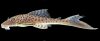 Aphanotorulus
horridus Aphanotorulus
horridus |
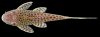 Aphanotorulus
horridus Aphanotorulus
horridusDorsal view |
 Aphanotorulus
horridus Aphanotorulus
horridusVentral view |
If you would like to contribute to the monthly factsheets with an article, information or photos, please e-mail me. You will of course be credited for your work.

If you would like to donate any denomination of monies to the site just click the above link button. All proceeds will go to running the site and hopefully to keep it going for a few years yet.

