SCOTCAT.COM
your internet guide to all things catfish
Chaetostoma fischeri Steindachner, 1879 |
Image contributors to this species: |
Calle Velez, Juan Cristóbal (1) Donald Taphorn (2) |
ScotCat Sources: |
|
|

Other Sources: |
|


Relevant Information: |
Habitat: It is a predominantly nocturnal species, during the day it hides in caves or under fallen sticks. It inhabits heterogeneous backgrounds; sand, pebble, rock and mud; fast and moderate flow waters not very deep (0.3-0.9 m.) and abrupt and excavated margins with riparian and riverine vegetation Presence of abundant periphyton and allochthonous material. Sexual Differences: Males have better colour, a broader head and lips and adult males possess longer ventral fins than the females. Aquarium Care: Will need a good water flow in the aquarium with a sand substrate and plenty of hiding places. The Chaetostoma species are not the easiest to maintain as the mountain stream species will need a water current to provide oxygen-rich water. Diet: Great algae eater, but you will have to subsidise this food with algae wafers and vegetable foods such as cucumber, zucchini and lettuce. Will also except tablet and worm foods. Etymology: The genus name Chaetostoma: chaeto-, bristle; stoma, mouth, referring to the bristles on cheeks of males. The specific name fischeri: in honour of Steindachner’s “dear friend” (translation) W. Fischer, who provided a collection of river fishes from Panama, including type of this species. |
Common Name: |
None |
Synonyms: |
Chaetostomus fischeri |
Family: |
Loricariidae |
Distribution: |
South America: Colombia, Ecuador and Panama. Type locality: Mamoni River, near Chepo in the Isthmus of Panama. |
Size: |
30.0cm (12inch) TL |
Temp: |
20-22°c (67-71°f.) |
p.H. |
|
6.0-7.5. |
IUCN Red List |
Chaetostoma fischeri is currently thought to have a broad that ranges from eastern Panama southward to northwestern Colombia. Extent of Occurrence (EOO) is estimated to be 97,783 km2. Total population size and population trend have not been quantified, but limited ichthyological surveys suggest that this species is uncommon throughout much of its range. A number of localised and regional threats exist, including land-use change and deforestation associated with agricultural expansion, widespread artisanal and commercial mining operations, and pollution from industrial and domestic waste water discharge. While existing threats are likely to be producing localised negative impacts on habitat availability and quality, there is currently no indication of major range-wide population declines. Therefore, C. fischeri is assessed as Least Concern. Continuing taxonomic work on the species will likely lead to further shrinking of the range of the species and subsequent reassessment will be required (IUCN 2020). |
Reference: |
Ferraris, C.J.
Jr., 2007. Checklist of catfishes, recent and fossil
(Osteichthyes: Siluriformes), and catalogue of siluriform
primary types. Zootaxa 1418:1-628. |

Family: Loricariidae Back to Ident-A-Cat Click on Thumbnails |
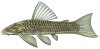 Chaetostoma
fischeri Chaetostoma
fischeriColour plate |
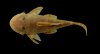 Chaetostoma
fischeri Chaetostoma
fischeriDorsal view-Río La Vieja, Maravelez,Tebaida Quindio, Colombia (alto Cauca) |
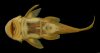 Chaetostoma
fischeri Chaetostoma
fischeriVentral view-Río La Vieja, Maravelez,Tebaida Quindio, Colombia (alto Cauca) |
If you would like to contribute to the monthly factsheets with an article, information or photos, please e-mail me. You will of course be credited for your work.

If you would like to donate any denomination of monies to the site just click the above link button. All proceeds will go to running the site and hopefully to keep it going for a few years yet.

