SCOTCAT.COM
your internet guide to all things catfish
Chaetostoma sacramento Meza-Vargas V, Ramirez JL, Lujan NK, 2024 |
Image contributors to this species: |
Johnny Jensen's Photographic Library (3) Graham Carr (1) Haakon Haagensen (1) Jair Panduro Gil (2) |
ScotCat Sources: |
|

Other Sources: |
|

Relevant Information: |
L455, L456 and L457 are all believed to be the same species and they are now described as Chaetostoma sacramento by Meza-Vargas V, Ramirez JL, Lujan NK, 2024. Difference in appearance is thought to be partially due to gender difference and dominance, with dominant breeding males believed to be more colourful. Aquarium Care: Will need a good water flow in the aquarium with a sand substrate and plenty of hiding places. The Chaetostoma species are not the easiest to maintain as the mountain stream species will need a water current to provide oxygen-rich water. The species that are exported usually originate from warmer waters so are a bit easier to keep than the mountain stream variety. Diet: Great algae eater, but you will have to subsidise this food with algae wafers and vegetable foods such as cucumber, zucchini and lettuce. Will also except tablet and worm foods. Sexual Differences: Males have better colour, a broader head and lips and adult males possess longer ventral fins than the females. Etymology: The species epithet sacramento refers to the plain (pampa) in central Peru between the Huallaga and Ucayali Rivers, approximately delimited by the Pisqui River in the north and Palcazu River in the south. Chaetostoma sacramento is currently known exclusively from this region, known as the Pampa de Sacramento, which occupies a valley between Huánuco and Ucayali provinces that is part of the Peruvian subandean belt and surrounds Boqueron del Padre Abad in the Cordillera Azul. The Pampa de Sacramento was first encountered by Europeans on 21 June 1726, by an expedition led by Don Juan Nunez Lobo and was christened Pampa del Sacramento to commemorate the Catholic ceremony of the Corpus Christi. Subsequent Franciscan missionaries highlighted the rich ethnic diversity of this region (IBC 2016). A noun in apposition. |
Common Name: |
L455, L456, L457, Chaetostoma sp. "Rio Pisqui", Chaetostoma sp.“Tiger”, Chaetostoma sp. "Tingo Red" |
Synonyms: |
None |
Family: |
Loricariidae |
Distribution: |
South America: Rio Pisqui, Peru. |
Size: |
8.0cm. (3¼ins) |
Temp: |
21-24°c (69-75°f.) |
p.H. |
|
6.0-7.5. |
Reference: |
Fish
in the News
2024. |

Family: Loricariidae Back to Ident-A-Cat Click on Thumbnails |
 Chaetostoma
sacramento Chaetostoma
sacramento |
 Chaetostoma
sacramento Chaetostoma
sacramento |
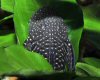 Chaetostoma
sacramento Chaetostoma
sacramentoDorsal head view |
 Chaetostoma
sacramento Chaetostoma
sacramento |
 Chaetostoma
sacramento Chaetostoma
sacramento |
 Chaetostoma
sacramento Chaetostoma
sacramento |
 Chaetostoma
sacramento Chaetostoma
sacramentoHead view |
If you would like to contribute to the monthly factsheets with an article, information or photos, please e-mail me. You will of course be credited for your work.

If you would like to donate any denomination of monies to the site just click the above link button. All proceeds will go to running the site and hopefully to keep it going for a few years yet.

