SCOTCAT.COM
your internet guide to all things catfish
Chiloglanis compactus Mutizwa, Bragança & Chakona, 2025 |
Image contributors to this species: |
SAIAB (4) |
ScotCat Sources: |
|

Other Sources: |
|
|

Relevant Information: |
Abstract: Distinguished from all the other congeners from the region by a combination of characters; the possession of seven pectoral fin rays, conical tubercles distributed across the dorsal and lateral surface of the head and body, eight widely spaced mandibular teeth, a shallow forked caudal fin with rounded lobes, a low number of primary premaxillary teeth (31–53) and fewer dorsal fin rays (5). It attains the smallest size (46 mm SL) of all currently known congeners in southern Africa. Habitat: This species is known from multiple localities in the Pungwe and Buzi River systems. It is a rheophilic species that occurs in rocky habitats with fast flowing water. Diet: Macroinvertebrates from the families Simuliidae, Chironomidae, Hydropsychidae and Libellulidae were the dominant prey item for this species with algae forming a smaller component of the diet of this species (Matomela et al 2018). Aquarium Care: Good oxygenated water from a power filter. Sand or gravel substrate with smooth rocks or pebbles. Their dorsal and pectoral fins are sharp and can cause wounds if not handled carefully. Reproduction: There have been no dedicated studies on the breeding biology of C. compactus, but spawning is likely to begin in summer (October–November) based on the general pattern of other congeners (Skelton 2001), and other mochokid fishes from this region. Etymology: The specific name compactus: The name is drawn from the word compact which is inspired by the short and rotund body shape of this species as well as it being the smallest of all the currently known congeners in southern Africa. |
Common Name: |
Chiloglanis sp. “dwarf” |
Synonyms: |
None |
Family: |
Mochokidae |
Distribution: |
Africa: Multiple localities in the Pungwe and Buzi River systems in the Eastern Zimbabwe Highlands. |
Size: |
4.5cm. (1¾ins) |
Temp: |
23-26°C (73-79°F) |
p.H. |
|
6.5-7.2. |
Reference: |
Fish
in the News
2025 |

Family: Mochokidae Back to Ident-A-Cat Click on Thumbnails |
 Chiloglanis
compactus Chiloglanis
compactusHolotype-male |
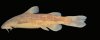 Chiloglanis
compactus Chiloglanis
compactusHolotype-male |
 Chiloglanis
compactus Chiloglanis
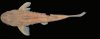
compactusHolotype-male-dorsal view |
 Chiloglanis
compactus Chiloglanis
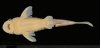
compactusHolotype-male-ventral view |
If you would like to contribute to the monthly factsheets with an article, information or photos, please e-mail me. You will of course be credited for your work.

If you would like to donate any denomination of monies to the site just click the above link button. All proceeds will go to running the site and hopefully to keep it going for a few years yet.

