SCOTCAT.COM
your internet guide to all things catfish
Neosilurus novaeguineae (Weber, 1907) |
Image contributors to this species: |
Mark Goh (2) |
ScotCat Sources: |
|
|

Other Sources: |
|


Relevant Information: |
Description: Dorsal spines (total): 1; Dorsal soft rays (total): 4 - 5; Anal spines: 0; Anal soft rays: 76 - 103. Habitat: Generally found in either small tributaries of the alluvial lowlands or in creeks and small rivers in hilly terrain. Prefers deeper pools that are often littered with logs and branches. This species occurs across northern New Guinea from the Ramu and Sepik rivers, Papua New Guinea, to the Mamberamo system of Papua Province, Indonesia. It is likely to be extinct from Lake Sentani due to a number of anthropogenic threats, and it is threatened by mining, logging and invasive species in other parts of its range. Aquarium Care: Better suited to larger tanks of 4ft (120cm) or over with rocks and plants provided for cover. This genera are easily spooked in the aquarium but N. novaeguineae seems to be a suitable candinate for larger aquariums. Best kept in small groups of 4-6 individuals. The pectoral and dorsal spines, as is the norm in this genera, are venomous so handle with care. In my personal experience they are well suited to larger tanks with other same sized or larger inhabitants and will hold their own in that company and are generally peaceful with other placid species. Diet: Feeds on insects, prawns, mollusks and small crayfish. In the aquarium, snails, insects, prawns, earthworms and other small crustaceans and will take most aquarium foods. Etymology: The specific name novaeguineae: Of New Guinea, specifically Irian Jaya of Western New Guinea (now West Papua, Indonesia), type locality. Remarks: There is no indication that the overall population is suffering from significant declines and it is known from at least one protected area. It is therefore assessed as Least Concern. Research is needed to determine its current population trends and the full impacts of threats (IUCN 2020). |
Common Name: |
New Guinea tandan |
Synonyms: |
Copidoglanis novae-guineae, Copidoglanis novae-guineae niger |
Family: |
Plotosidae |
Distribution: |
Asia & Oceania: Ramu River basin, Papua New Guinea and northern Papua (formerly Irian Jaya), New Guinea. Type Locality: Sentani-See, Nord-Neu-Guinea and Bernhard Camp (altitude 75 meters), Idenburg River, Netherland New Guinea. |
Size: |
21.0cm. (8¼ins) |
Temp: |
22-28°C (71-83°F) |
p.H. |
|
6.0-8.0. |
Reference: |
|
Allen, G.R.,
1991. Field guide to the freshwater fishes of New
Guinea. Publication, no. 9. 268 p. Christensen Research
Institute, Madang, Papua New Guinea. |

Family: Plotosidae Back to Ident-A-Cat Click on Thumbnails |
 Neosilurus novaeguineae
 |
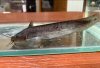 Neosilurus
novaeguineae Neosilurus
novaeguineae |
If you would like to contribute to the monthly factsheets with an article, information or photos, please e-mail me. You will of course be credited for your work.

If you would like to donate any denomination of monies to the site just click the above link button. All proceeds will go to running the site and hopefully to keep it going for a few years yet.

