SCOTCAT.COM
your internet guide to all things catfish
Pseudopimelodus bufonius (Valenciennes, 1840) |
Image contributors to this species: |
Allan James (1) Jim Makin (1) Wolfgang Ros (6) Iain Briggs (2) |
ScotCat Sources: |
|


Other Sources: |
|


Relevant Information: |
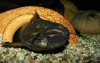
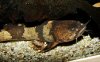
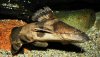
Aquarium Care: Very predatory so tank mates would have to be of similar size or larger. Give this species plenty of hiding places to keep it happy in its surroundings. Diet: Will eat most foods such as frozen, live, sinking tablets and pellets. Feed every two days as they will get obese. Etymology: The specific name bufonius: Latin, Bufo=toad, and latin = ius = comparing the colour pattern of the holotype to that of a brown toad. |
Common Name: |
Giant Bumblebee Catfish |
Synonyms: |
Pimelodus bufonius |
Family: |
Pseudopimelodidae |
Distribution: |
South America: Rivers of northeastern South America from Lake Maracaibo basin to eastern Brazil (Shibatta, 2003a) and Magdalena and Cauca River basins, Colombia. Type locality: Cayenne, French Guiana. |
Size: |
24.5cm. (9¾ins) |
Temp: |
24-28°C (75-83°F) |
p.H. |
|
6.0-7.5. |
IUCN Red List |
Despite the limited information available on this species, it is assessed as Least Concern due to its wide range, (IUCN 2022). |
Reference: |
Brejão, G.L.
2022. Pseudopimelodus bufonius. The IUCN
Red List of Threatened Species 2022. |

Family: Pseudopimelodidae Back to Ident-A-Cat Click on Thumbnails |
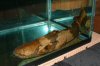 Pseudopimelodus bufonius
 |
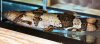 Pseudopimelodus
bufonius Pseudopimelodus
bufonius |
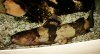 Pseudopimelodus
bufonius Pseudopimelodus
bufonius |
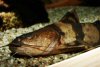 Pseudopimelodus
bufonius Pseudopimelodus
bufoniusHead view |
 Pseudopimelodus
bufonius Pseudopimelodus
bufoniusGape of mouth |
 Pseudopimelodus
bufonius Pseudopimelodus
bufonius |
 Pseudopimelodus
bufonius Pseudopimelodus
bufonius |
 Pseudopimelodus
bufonius Pseudopimelodus
bufonius |
 Pseudopimelodus
bufonius Pseudopimelodus
bufonius |
 Pseudopimelodus
bufonius Pseudopimelodus
bufoniusHead view |
If you would like to contribute to the monthly factsheets with an article, information or photos, please e-mail me. You will of course be credited for your work.

If you would like to donate any denomination of monies to the site just click the above link button. All proceeds will go to running the site and hopefully to keep it going for a few years yet.

