SCOTCAT.COM
your internet guide to all things catfish
Tympanopleura piperata Eigenmann, 1912 |
Image contributors to this species: |
Erling Holm (1) |
ScotCat Sources: |
|
|

Other Sources: |
|


Relevant Information: |
The Neotropical catfish genus Tympanopleura, previously synonymized within Ageneiosus, is revalidated and included species are reviewed. Six species are recognized, two of which are described as new. Description: Tympanopleura is distinguished from Ageneiosus by having an enlarged gas bladder not strongly encapsulated in bone; a prominent pseudotympanum consisting of an area on the side of the body devoid of epaxial musculature where the gas bladder contacts the internal coelomic wall; short, blunt head without greatly elongated jaws; and smaller adult body size. Species of Tympanopleura are distinguished from each other on the basis of unique meristic, morphometric, and pigmentation differences. Ageneiosus melanopogon and Tympanopleura nigricollis are junior synonyms of Tympanopleura atronasus. Tympanopleura alta is a junior synonym of Tympanopleura brevis. A lectotype is designated for T. brevis. Ageneiosus madeirensis is a junior synonym of Tympanopleura rondoni. Tympanopleura atronasus, T. brevis, T. longipinna, and T. rondoni are relatively widespread in the middle and upper Amazon River basin. Tympanopleura cryptica is described from relatively few specimens collected in the upper portion of the Amazon River basin in Peru and the middle portion of that basin in Brazil. Tympanopleura comprises species of small to medium sized auchenipterids, ranging in maximum size from about 50 mm SL (T. piperata) to 160 mm SL (T. rondoni). Body widest at pectoral-fin origin, moderately to strongly compressed posteriorly. Dorsal and ventral aspects of body gently tapered posteriorly, greatest body depth at base of dorsal fin. Head moderately depressed, dorsal profile gently sloping upward to anterior margin of supraoccipital, inflected more acutely to dorsal-fin origin (Walsh, Stephen J. et al). Aquarium Care: Although of a smaller size to its close relative, Ageneiosus, they could still prove to be predatory as per this genera, so would need to be kept with fish that are not too small. Diet: Presumably meat based. Etymology. The genus name meaning tympano-, tympanum; pleuro, side, referring to prominent pseudotympanum consisting of an area on side of body devoid of epaxial musculature where gas bladder contacts internal coelomic wall. The specific epithet piperata: piper (lat.) - pepper, because of the fine pigmentation of the body. |
Common Name: |
None |
Synonyms: |
Ageneiosus piperatus |
Family: |
Auchenipteridae |
Distribution: |
South America: Essequibo and upper Negro rivers near confluence of Branco River. |
Size: |
5.0cm (2ins) |
Temp: |
22-24°c (71-75°f.) |
p.H. |
6.5-7.5 |
Reference: |
Ferraris, C.J. Jr.,
2003. Auchenipteridae (Driftwood catfishes). p. 470-482.
In R.E. Reis, S.O. Kullander and C.J. Ferraris, Jr.
(eds.) Checklist of the Freshwater Fishes of South
and Central America. Porto Alegre: EDIPUCRS, Brasil. |

Family: Auchenipteridae Back to Ident-A-Cat Click on Thumbnails |
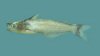 Tympanopleura
piperata Tympanopleura
piperata |
If you would like to contribute to the monthly factsheets with an article, information or photos, please e-mail me. You will of course be credited for your work.

If you would like to donate any denomination of monies to the site just click the above link button. All proceeds will go to running the site and hopefully to keep it going for a few years yet.

