SCOTCAT.COM
your internet guide to all things catfish
Baryancistrus quilombola Oliveira & Rapp Py-Daniel, 2025 |
Image contributors to this species: |
ScotCat Sources: |
|

Other Sources: |
|

Relevant Information: |
The L-number L384 has now been described by Oliveira, R. R. de., & Rapp Py-Daniel, L. H. in 2025. Description: The Baryancistrus genus are large and high backed. They have a large suckermouth with a high number of slender and long stemmed teeth. A small membrane lies behind the last ray of the dorsal fin which joins the anal fin. Habitat: Found in shallow fast flowing areas of water with a stony substrate. Colouration: Head, trunk and fins with dark green to dark grey background densely covered by large, irregularly shaped clear spots, smaller on head. Spots orange to reddish, with spots on head similar in size or smaller than pupil; spots larger and clearer on trunk and fins. Pectoral and pelvic fins covered by spots dorsally only, barely seen ventrally; interradial of all fins with membrane dark green to grey, with distal tip almost black in some specimens. Anterior and posterior border of dorsal fin spine with black stripe; lateral distal face of all dorsal fin-rays reddish, more conspicuous on spine, first, second and last branched rays; red spots on first interradial dorsal-fin membrane. Distal tips of simple caudal fin rays slightly reddish. Ventral surface pale, without spots; lips and ventral surfaces of pectoral and pelvic fins yellowish; caudal peduncle grey. Aquarium Care: Can be problematic, especially with inexperienced aquarists, not a beginners fish. As of most of this genera the adults can be extremely territorial, especially with their own kind and other species of Baryancistrus. Prefers higher temperatures. Sexual Differences: Mature males have a broader and longer head and longer pectoral fin spines. Diet: Aufwuchs grazer, vegetarian food, tablets, pellets, insect larvae, zooplankton, and soft wood. Etymology: The specific name quilombola (a noun in the nominative singular standing in apposition to the generic name) honours the Quilombola’s communities of the Rio Trombetas, also called Quilombos. Quilombolas are Afro-Brazilian descendents that escaped from slavery, or after abolition of slavery, that organized agrarian communities according to cultural, religious and geographic backgrounds in different areas in Brazil. The presence of large quilombos in the Amazon and, particularly, in the Rio Trombetas basin deserves recognition, as the first Quilombo fully recognised by the Brazilian government was in Rio Trombetas (Duque, 2009). They are eximious fishermen and profound connoisseurs of the dangerous waters in the Rio Trombetas, as well as important activists of the Quilombola cause in South America. |
Common Name: |
L384 |
Synonyms: |
None |
Family: |
Loricariidae |
Distribution: |
South America: Rio Trombetas basin. Type locality: Rio Trombetas, Cachoeira Vira-Mundo, Oriximiná, Pará, Brazil. |
Size: |
25.0cm. (10ins) |
Temp: |
26-30°c (77-87°f.) |
p.H. |
|
5.0-7.0. |
IUCN Red List |
Not Evaluated. |
Reference: |
Fish
in the News. 2025. |

Family: Loricariidae Back to Ident-A-Cat Click on Thumbnails |
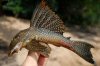 Baryancistrus
quilombola Baryancistrus
quilombolaLive specimen-Paratype-Rio Trombetas, Oriximiná, Pará, Brazil |
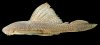 Baryancistrus
quilombola Baryancistrus
quilombolaHolotype-lateral view-Rio Trombetas, Cachoeira Vira-Mundo, Oriximiná, Pará, Brazil |
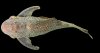 Baryancistrus
quilombola Baryancistrus
quilombolaHolotype-dorsal view-Rio Trombetas, Cachoeira Vira-Mundo, Oriximiná, Pará, Brazil |
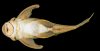 Baryancistrus
quilombola Baryancistrus
quilombolaHolotype-ventral view-Rio Trombetas, Cachoeira Vira-Mundo, Oriximiná, Pará, Brazil |
If you would like to contribute to the monthly factsheets with an article, information or photos, please e-mail me. You will of course be credited for your work.

If you would like to donate any denomination of monies to the site just click the above link button. All proceeds will go to running the site and hopefully to keep it going for a few years yet.

