SCOTCAT.COM
your internet guide to all things catfish
Loricariichthys derbyi Fowler, 1915 |
Image contributors to this species: |
ScotCat Sources: |
|

Other Sources: |
|


Relevant Information: |
Sexual Differences: In sexually active males the lips are transformed into large dermal lobes which are used to hold the eggs after spawning. Reproduction: This species is unique in that the males hold on to the eggs for 11 days. Aquarium Care: Keep on a sandy substrate with branchwork. Reasonably easy to keep wirh regular good husbandry. Diet: Omnivore: Dry foods, algae wafers, Spirulina and normal tablet foods. Frozen foods, Artemia nauplii, glass worms and Daphnia. Etymology: The specific name derbyi: In honour of Mr. C. F. Derby (no other information available), who collected holotype. |
Common Name: |
None |
Synonyms: |
None |
Family: |
Loricariidae |
Distribution: |
South America: Jaguaribe River basin, Brazil. Type locality: Rio Jaguaribe at Barro Alto, Brazil. |
Size: |
18.0cm. (7ins) |
Temp: |
25-29°c (75-85°f.) |
p.H. |
|
6.0-7.0. |
IUCN Red List |
Loricariichthys derbyi occurs in the basins of northeastern Brazil, in the states of Maranhão, Piauí, Ceará, Rio Grande do Norte, and Paraíba. It is a frequent and abundant species, and no threats to its population have been identified. Therefore, L. derbyi has been categorised as Least Concern (LC), (IUCN 2022). |
Reference: |
|
Chico Mendes Institute
for Biodiversity Conservation (ICMBio). 2022.
Loricariichthys derbyi. The IUCN Red List
of Threatened Species 2022. |

Family: Loricariidae Back to Ident-A-Cat Click on Thumbnails |
 Loricariichthys
derbyi Loricariichthys
derbyi |
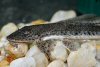 Loricariichthys
derbyi Loricariichthys
derbyiHead view |
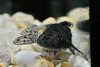 Loricariichthys
derbyi Loricariichthys
derbyiHead view |
 Loricariichthys
derbyi Loricariichthys
derbyiApodi-Mossoró river basin, Jandaíra formation karst, Rio Grande do Norte State, Brazil |
If you would like to contribute to the monthly factsheets with an article, information or photos, please e-mail me. You will of course be credited for your work.

If you would like to donate any denomination of monies to the site just click the above link button. All proceeds will go to running the site and hopefully to keep it going for a few years yet.

