SCOTCAT.COM
your internet guide to all things catfish
Pangasianodon gigas Chevey, 1931 |
Image contributors to this species: |
Johnny Jensen's Photographic Library (2) Frants Lehmann (2 Stamps) Jean-Francois Helias (4) Karl-Heinz Dau (2 Stamps) |
ScotCat Sources: |
|
|


Other Sources: |
|


Relevant Information: |
One of the fastest growth rates of any fish in the world, reaching 150 to 200 kg in 6 years. Cited in the Guinness Book of Records as largest freshwater fish. Marketed fresh. Maximum length of 300 cm needs confirmation. Threatened due to over harvesting and habitat loss. Habitat: A migratory species that occurs in medium to large-sized rivers. Reproduction: Little is known on its general pattern of life and migratory journeys for spawning. Aquarium Care: Not fit for an aquarium as this species as the "Mekong giant catfish" does not belong in the home aquarium, as this is one of the worlds largest freshwater fish and as such should be admired from afar! International trade banned (CITES I, since 1.7.1975; CMS Appendix I). Diet: Feeds on detritus and algae on the bottom and feeds only on vegetation in the river but takes other food in captivity. Etymolgy: The specific name gigas: Latin meaning Giant. |
Common Name: |
Mekong giant catfish |
Synonyms: |
Pangasius gigas, Pangasius paucidens |
Family: |
Pangasiidae |
Distribution: |
Asia: Mekong and Chao Phraya River basin; in cultivation elsewhere in Asia, including Viet Nam and Myanmar.Type locality: Cambodge. |
Size: |
300.0cm. (11ft.4ins) |
Temp: |
22-28°C (71-83°F) |
p.H. |
|
6.5-7.5. |
IUCN Red List |
Given the ongoing threats to the species and its habitat, the population decline rate seen over the last 21 years is not expected to diminish over the next 24 years. Therefore, the species is assessed as Critically Endangered A4bcde, but needs updating (IUCN 2011). |
Reference: |
Ferraris, C.J. Jr.,
2007. Checklist of catfishes, recent and fossil (Osteichthyes:
Siluriformes), and catalogue of siluriform primary
types. Zootaxa 1418:1-628. |

Family: Pangasiidae Back to Ident-A-Cat Click on Thumbnails |
 Pangasianodon gigas
 |
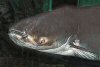 Pangasianodon
gigas Pangasianodon
gigasHead view |
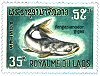 Pangasianodon
gigas Pangasianodon
gigas Stamp |
 Pangasianodon
gigas Pangasianodon
gigas Stamp |
 Pangasianodon
gigas Pangasianodon
gigasCaught March 15, 2006, 70kg |
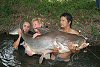 Pangasianodon
gigas Pangasianodon
gigasCaught Nov., 2005, 75kg |
 Pangasianodon
gigas Pangasianodon
gigasCaught June 10th., 2006, 70kg |
 Pangasianodon
gigas Pangasianodon
gigasCaught April15th., 2007, 80.5kg |
 Pangasianodon
gigas Pangasianodon
gigas Stamp |
 Pangasianodon
gigas Pangasianodon
gigas Stamp |
If you would like to contribute to the monthly factsheets with an article, information or photos, please e-mail me. You will of course be credited for your work.

If you would like to donate any denomination of monies to the site just click the above link button. All proceeds will go to running the site and hopefully to keep it going for a few years yet.

