SCOTCAT.COM
your internet guide to all things catfish
Silurus glanis Linnaeus, 1758 |
Image contributors to this species: |
Johnny Jensen's Photographic Library (1) Frants Lehmann (6 Stamps) Karl-Heinz Dau (4 Stamps) Reinhold Wawrzynski (4) Tobias Koch (3) The Compleat Ebro Angler (1) |
ScotCat Sources: |
|
|


Other Sources: |
|


Relevant Information: |
Description: Dorsal spines (total): 1 - 1; Dorsal soft rays (total): 4 - 5; Anal spines: 1;Anal soft rays: 90 – 95. Caudal fin with 17 rays. Occurs mainly in large lakes and rivers, though occasionally enters brackish water in the Baltic and Black Seas. Found in deep waters of dams constructed on the lower reaches of rivers. Known to feed at night on ducks, voles, crayfish and small fishes. Spawns in the salt water of the Aral Sea (at Kulandy). Aquarium Care: You can of course keep small Wels Catfish in an aquarium where feeding is no problem with dim lighting and a large external filter and they will eat anything (just keep an eye on your household ‘cat’), but where would it go after outgrowing your tank as Public Aquariums have probably their full quota. As they are very predatory, you should never keep it together with smaller fish, because especially the small ones can swallow very big things. You should also get it some kind of shelter like a root or some kind of tube. Diet: You can actually keep a Wels in an aquarium as long as it is small enough, but you should NOT give it normal catfish food which contains a lot of plant-material. S. glanis is a highly carnivorous predator and will eat a lot of things. Worms are very good, as well as, dependent on its size, insect larvae. Crushed snails also work, but if they get bigger you should mainly feed them with fish. They will even eat dead fish or chunks of it, and I have often read that they even eat normal meat and squid in aquariums, but over a longer time this is possibly not that good. |
Common Name: |
Wels catfish |
Synonyms: |
Siluris glanis, Silurus silurus, Silurus glanis aralensis |
Family: |
Siluridae |
Distribution: |
Europe and Asia: Russia, Central & Eastern Europe. Germany, upper Rhine and eastwards to the Black and Caspian Seas. Introduced to other waters for fishing purposes such as the River Ebro in Spain. |
Size: |
2.3m. (9ft) |
Temp: |
04-20°C (35-67°F) |
p.H. |
|
6.0-8.0. |
IUCN Red List |
This species is abundant, widespread and no significant threats have been identified. It is therefore assessed as Least Concern. (IUCN 2024). |
Reference: |
Bühler, Markus:
pers. comm. Oct. 2008. |

Family: Siluridae Back to Ident-A-Cat Click on Thumbnails |
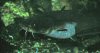 Silurus glanis
 |
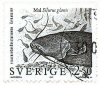 Silurus
glanis Silurus
glanisStamp |
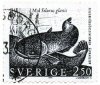 Silurus
glanis Silurus
glanisStamp |
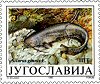 Silurus
glanis Silurus
glanisStamp |
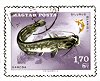 Silurus
glanis Silurus
glanisStamp |
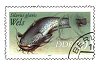 Silurus
glanis Silurus
glanisStamp |
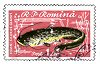 Silurus
glanis Silurus
glanisStamp |
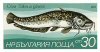 Silurus
glanis Silurus
glanisStamp |
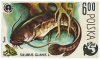 Silurus
glanis Silurus
glanisStamp |
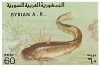 Silurus
glanis Silurus
glanisStamp |
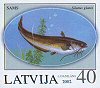 Silurus
glanis Silurus
glanisStamp |
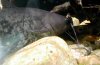 Silurus
glanis Silurus
glanisBioparco foundation of Rome in the heart of Bourgeois Villa |
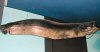 Silurus
glanis Silurus
glanisBioparco foundation of Rome in the heart of Bourgeois Villa |
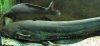 Silurus
glanis Silurus
glanis Potsdamer Museums aquarium, Germany, 170 cm. |
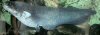 Silurus
glanis Silurus
glanis Potsdamer Museums aquarium, Germany, 160 cm. |
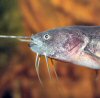 Silurus
glanis Silurus
glanisJuvenile |
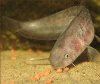 Silurus
glanis Silurus
glanisJuvenile feeding |
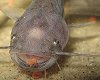 Silurus
glanis Silurus
glanisJuvenile-showing gape of mouth |
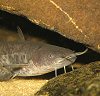 Silurus
glanis Silurus
glanisJuvenile |
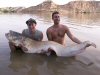 Silurus
glanis Silurus
glanisCaught in the River Ebro, Spain, and returned to the River after catchment |
If you would like to contribute to the monthly factsheets with an article, information or photos, please e-mail me. You will of course be credited for your work.

If you would like to donate any denomination of monies to the site just click the above link button. All proceeds will go to running the site and hopefully to keep it going for a few years yet.

