SCOTCAT.COM  

your internet guide to all things catfish
≡
  • HOME
  • FACTSHEETS
    • By Month/Year
    • By Family
    • by Genus
    • by Common Names
    • By Specific Names
    • By Continent
      • Index
      • Africa
      • Asia
      • Australasia
      • Europe
      • North America
      • South America
  • GALLERIES
    • Photo Gallery
    • Art Gallery
    • Movie Gallery
    • Stamps Gallery
  • FAMILIES
    • A-B
      • Ailiidae
      • Akysidae
      • Amblycipitidae
      • Amphiliidae
      • Anchariidae
      • † Andinichthyidae
      • Ariidae
      • Aspredinidae
      • Astroblepidae
      • Auchenipteridae
      • Auchenoglanididae
      • Austroglanididae
      • Bagridae
    • C-D
      • Callichthyidae
      • Cetopsidae
      • Chacidae
      • Clariidae
      • Claroteidae
      • Cranoglanididae
      • Diplomystidae
      • Doradidae
    • H-I
      • Heptapteridae
      • Heteropneustidae
      • Horabagridae
      • Ictaluridae
    • K-L-M
      • Kryptoglanidae
      • Lacantuniidae
      • Loricariidae
      • Malapteruridae
      • Mochokidae
    • N-P
      • Nematogenyidae
      • Pangasiidae
      • Phreatobiidae
      • Pimelodidae
      • Plotosidae
      • Pseudopimelodidae
    • R-S-T
      • Ritidae
      • Schilbeidae
      • Scoloplacidae
      • Siluridae
      • Sisoridae
      • Trichomycteridae
  • ARTICLES
    • Index
    • Breeding
    • By Author
    • Cat-Articles
    • General
    • Numbered List
    • Ichthyology
    • Travel/Collecting
  • IDENT-A-CAT
  • RESOURCES
    • Citation
    • Etymology
    • Fishhouse
    • Glossary
    • Scientific Papers
    • ScotShop
  • SITE MAP
  • FB GROUP
  • HELP
    • Index
    • Catfish Anatomy
    • Convertors
    • FAQ
    • Ident-A-Cat
    • Water Chemistry

Paracanthopoma irritans de Pinna & Dagosta, 2022


Image contributors to this species:

de Pinna, M. C. C., & Dagosta, F. C. P. 2022 (1)

ScotCat Sources:

Etymology = Genus  Etymology = Specific name

Other Sources:

Search  Catalog of Fishes  iNaturalist

Relevant Information:

An 8.4 mm SL specimen of P.. irritans in MZUSP 87049 is the smallest vandelliine yet found with evidence of ingested blood. The species also seems to mature at relatively small sizes. The lot MZUSP 96052 includes six female specimens with large mature eggs visible externally, the smallest of which is 13.0 mm SL and the largest 15.0 mm SL. (de Pinna, M. C. C., & Dagosta, F. C. P. 2022). Habitat: Paracanthopoma irritans has a widespread but patchy distribution in the tributaries of the Amazon basin in Brazil and Peru, and Río Orinoco in Venezuela. Except for a record in the Río Nanay (Rio Amazonas drainage in Peru), all other lots are from Amazonian tributaries east of the mouth of the Rio Negro. It is absent in the Araguaia system, where it is apparently replaced by P. cangussu. It has not yet been recorded in the southwestern Amazon. This is the only species of Paracanthopoma that occurs in any of the isolated drainages north of the mouth of the Amazon (Rio Amapá Grande), (de Pinna, M. C. C., & Dagosta, F. C. P. 2022). Aquarium Care: Not easy to keep and would need to be housed on their own as larger fish would be preyed upon for their blood in the gill chambers. Sand is the best substrate for digging themselves into and floating plants to cut the light down for this light sensitive species. Diet: Very difficult as all reports seem to intimate that they need larger fish to feed on. Etymology: The genus name Paracanthopoma: pará (Gr.), near, referring to similarity to Acanthopoma (Stegophilinae), both of which possess united gill membranes that are free from the isthmus. The specific name irritans: Latin for irritating, taken from the name of the human flea, Pulex irritans, also a hematophagous species.

Common Name:

None

Synonyms:

None

Family:

Trichomycteridae

Distribution:

South America: Amazon basin, Brazil and Peru, and Orinoco basin, Venezuela. Type locality: Brazil, Pará, Rio Trombetas.

Size:

1.5cm (¾ins)

Temp:

23-26°c (73-79°f.)

p.H.

6.0-7.0.

IUCN Red List

Not evaluated

Reference:

de Pinna, M. C. C., & Dagosta, F. C. P. (2022). A taxonomic review of the vampire catfish genus Paracanthopoma Giltay, 1935 (Siluriformes, Trichomycteridae), with descriptions of nine new species and a revised diagnosis of the genus. Papéis Avulsos De Zoologia, 62, e202262072.
The ETYFish Project Fish Name Etymology Database © Christopher Scharpf.


Back to Family page

Family: Trichomycteridae  Back to Ident-A-Cat  Click on Thumbnails

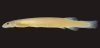
Click for full imageParacanthopoma irritans
Holotype-Brazil, Pará, Rio Trombetas


If you would like to contribute to the monthly factsheets with an article, information or photos, please e-mail me. You will of course be credited for your work.


Donate towards my web hosting bill!


If you would like to donate any denomination of monies to the site just click the above link button. All proceeds will go to running the site and hopefully to keep it going for a few years yet.

  • Facebook about us + contact us + citation + translate + site map + scotshop + glossary + etymology +
  • help YouTube

©2025 SCOTCAT.COM