SCOTCAT.COM  

your internet guide to all things catfish
≡
  • HOME
  • FACTSHEETS
    • By Month/Year
    • By Family
    • by Genus
    • by Common Names
    • By Specific Names
    • By Continent
      • Index
      • Africa
      • Asia
      • Australasia
      • Europe
      • North America
      • South America
  • GALLERIES
    • Photo Gallery
    • Art Gallery
    • Movie Gallery
    • Stamps Gallery
  • FAMILIES
    • A-B
      • Ailiidae
      • Akysidae
      • Amblycipitidae
      • Amphiliidae
      • Anchariidae
      • † Andinichthyidae
      • Ariidae
      • Aspredinidae
      • Astroblepidae
      • Auchenipteridae
      • Auchenoglanididae
      • Austroglanididae
      • Bagridae
    • C-D
      • Callichthyidae
      • Cetopsidae
      • Chacidae
      • Clariidae
      • Claroteidae
      • Cranoglanididae
      • Diplomystidae
      • Doradidae
    • H-I
      • Heptapteridae
      • Heteropneustidae
      • Horabagridae
      • Ictaluridae
    • K-L-M
      • Kryptoglanidae
      • Lacantuniidae
      • Loricariidae
      • Malapteruridae
      • Mochokidae
    • N-P
      • Nematogenyidae
      • Pangasiidae
      • Phreatobiidae
      • Pimelodidae
      • Plotosidae
      • Pseudopimelodidae
    • R-S-T
      • Ritidae
      • Schilbeidae
      • Scoloplacidae
      • Siluridae
      • Sisoridae
      • Trichomycteridae
  • ARTICLES
    • Index
    • Breeding
    • By Author
    • Cat-Articles
    • General
    • Numbered List
    • Ichthyology
    • Travel/Collecting
  • IDENT-A-CAT
  • RESOURCES
    • Citation
    • Etymology
    • Fishhouse
    • Glossary
    • Scientific Papers
    • ScotShop
  • SITE MAP
  • FB GROUP
  • HELP
    • Index
    • Catfish Anatomy
    • Convertors
    • FAQ
    • Ident-A-Cat
    • Water Chemistry

Paracanthopoma parva Giltay, 1935


Image contributors to this species:

Montaña, C. G., C. Nimee, S. Scott, et al. 2025 (1) de Pinna, M. C. C., & Dagosta, F. C. P. 2022 (1) Dominick Porcelli (1)

ScotCat Sources:

Etymology = Genus  Etymology = Specific name

Other Sources:

Search  Fishbase Wikipedia  Catalog of Fishes  Global Biodiversity Information Facility  iNaturalist  IUCN

Relevant Information:

Paracanthopoma parva has been found on the gills of another species of giant catfish, Brachyplatystoma vaillantii. Species within the genus Paracanthopoma have the longest and most robust snout, and the longest and strongest dentary teeth among blood-feeding candirus, which fit their drilling needs. Riding on a giant host is advantageous for dispersal, no need to search for hosts to feed, and protection from predators. It is unlikely that Paracanthopoma takes blood from the tiny holes it drills in the skin; the areas these fish attach to have no large blood vessels to supply them with blood, and fish that have been riding are found only with trace amounts of blood in their digestive tracts. Also, most vandelliine candirus take blood from the gill region of their hosts (Zuanon, Jansen; Sazima, Ivan (2005). Aquarium Care: Not easy to keep and would need to be housed on their own as larger fish would be preyed upon for their blood in the gill chambers. Sand is the best substrate for digging themselves into and floating plants to cut the light down for this light sensitive species. Diet: Very difficult as all reports seem to intimate that they need larger fish to feed on. Etymology: The genus name Paracanthopoma: pará (Gr.), near, referring to similarity to Acanthopoma (Stegophilinae), both of which possess united gill membranes that are free from the isthmus. The specific name parva: Latin for small, described at 25 mm.

Common Name:

Bagrecito (Spanish)

Synonyms:

None

Family:

Trichomycteridae

Distribution:

South America: Amazon basin, Brazil, and Essequibo River basin, Guyana. Type locality: Rio Catrymany supérieur [Brazil].

Size:

2.5cm (1ins)

Temp:

23-26°c (73-79°f.)

p.H.

6.0-7.0.

IUCN Red List

Despite the little information available on this species, it seems to be common and has a wide range, therefore it is assessed as Least Concern (IUCN 2023).

Reference:

Brejão, G.L. 2023. Paracanthopoma parva. The IUCN Red List of Threatened Species 2023.
Burgess, W.E
., 1989. An atlas of freshwater and marine catfishes. A preliminary survey of the Siluriformes. T.F.H. Publications, Inc., Neptune City, New Jersey (USA). 784 p.
de Pinna, M. C. C., & Dagosta, F. C. P
. (2022). A taxonomic review of the vampire catfish genus Paracanthopoma Giltay, 1935 (Siluriformes, Trichomycteridae), with descriptions of nine new species and a revised diagnosis of the genus. Papéis Avulsos De Zoologia, 62, e202262072.
Ferraris, C.J. Jr., 2007. Checklist of catfishes, recent and fossil (Osteichthyes: Siluriformes), and catalogue of siluriform primary types. Zootaxa 1418:1-628.
Fish in the News 2025.
Froese, R. and D. Pauly. Editors. 2025. FishBase. World Wide Web electronic publication. www.fishbase.org, ( 08/2025).
The ETYFish Project Fish Name Etymology Database © Christopher Scharpf.
Zuanon, Jansen; Sazima, Ivan (2005). "Free Meals on Long-Distance Cruisers: The Vampire Fish Rides Giant Catfishes in the Amazon" (PDF). Biota Neotropica. 5 (1): 109.


Back to Family page

Family: Trichomycteridae  Back to Ident-A-Cat  Click on Thumbnails

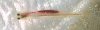
Click for full image Paracanthopoma parva
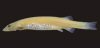
Click for full imageParacanthopoma parva
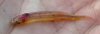
Upper Takutu-Upper Essequibo, Guyana


If you would like to contribute to the monthly factsheets with an article, information or photos, please e-mail me. You will of course be credited for your work.


Donate towards my web hosting bill!


If you would like to donate any denomination of monies to the site just click the above link button. All proceeds will go to running the site and hopefully to keep it going for a few years yet.

  • Facebook about us + contact us + citation + translate + site map + scotshop + glossary + etymology +
  • help YouTube

©2025 SCOTCAT.COM