SCOTCAT.COM
your internet guide to all things catfish
Hemibagrus nemurus (Valenciennes, 1839) |
Image contributors to this species: |
Hippocampus Bildarchiv (2) Allan James (1) Jean-Francois Helias (4) Reinhold Wawrzynski (5) |
ScotCat Sources: |
|


Other Sources: |
|
|


Relevant Information: |
Habitat: Occurs in most habitat types, but most frequent in large muddy rivers, with slow current and soft bottom. Enters flooded forest. Feeds on exogenous insects, aquatic insect larvae, shrimps, other crustaceans and fishes. Moves into flooded forests to spawn and the young are usually first seen in August. In Tonlé Sap (Cambodia), maximum numbers are found as it returns to rivers in November and December. A highly priced aquarium fish. Usually marketed fresh and is high in nutritive values especially omega-3 fatty acids. Aquarium Care: As with most of the genus, H. nemerus can become a pretty nasty character in your fish tanks and if housed with other fish can be lethal. Cichlids such as the Pikes from the Crenichla genus that can look after themselves would be the best bet for other tankmates. I have housed them with Synodontis and they can make a lot of damage to their fins and can kill smaller specimens by charging them midriff and causing internal injuries. Not to be trusted with other fish. If kept with other fish they will have to be able to look after themselves. Diet: Whilst this catfish is best described as a predator/carnivore in its natural habitat feedings of fish, insects, shrimps and other crustaceans, in captivity this catfish will feed on mussels, prawns, pieces of fish, earthworms and will even take prepared foods such as catfish pellets. Etymology: The genus name Hemibagrus: Hemi- half; bagrus- from 'bagre', a South American name for a catfish, but is only used for African and Asian species. The specific name nemurus: nema-, thread; oura, tail, presumably referring to the thread-like extension of upper caudal-fin lobe. |
Common Name: |
False Asian Red Tailed Catfish |
Synonyms: |
Bagrus nemurus, Mystus nemurus, Macrones nemurus, Hemibagrus hoevenii, Bagrus hoevenii |
Family: |
Bagridae |
Distribution: |
Asia: Cambodia, Indonesia, Laos, Malaysia, Singapore, Thailand, Viet Nam. |
Size: |
65.0cm (26ins) |
Temp: |
22-25°C (71-77°F) |
p.H. |
|
7.0-8.2. |
Reference: |
Froese, R. and D. Pauly.
Editors. 2009. FishBase.World Wide Web electronic
publication. www.fishbase.org, version (01/2009). |

Family: Bagridae Back to Ident-A-Cat Click on Thumbnails |
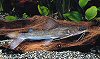 Hemibagrus
nemurus Hemibagrus
nemurus |
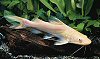 Hemibagrus
nemurus Hemibagrus
nemurus Albino |
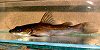 Hemibagrus
nemurus Hemibagrus
nemurus Juvenile |
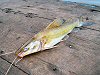 Hemibagrus
nemurus Hemibagrus
nemurus |
 Hemibagrus
nemurus Hemibagrus
nemurusCaught by Jean-Francois Helias |
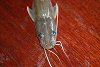 Hemibagrus
nemurus Hemibagrus
nemurus Juvenile |
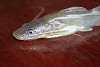 Hemibagrus
nemurus Hemibagrus
nemurus Juvenile |
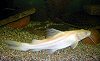 Hemibagrus
nemurus Hemibagrus
nemurus Albino |
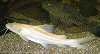 Hemibagrus
nemurus Hemibagrus
nemurus Albino |
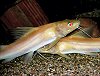 Hemibagrus
nemurus Hemibagrus
nemurus Albino |
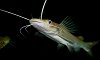 Hemibagrus
nemurus Hemibagrus
nemurus Albino |
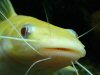 Hemibagrus
nemurus Hemibagrus
nemurus Albino-head view |
If you would like to contribute to the monthly factsheets with an article, information or photos, please e-mail me. You will of course be credited for your work.

If you would like to donate any denomination of monies to the site just click the above link button. All proceeds will go to running the site and hopefully to keep it going for a few years yet.

