SCOTCAT.COM
your internet guide to all things catfish
Farlowella acus (Kner, 1853) |
Image contributors to this species: |
Martin Danielse (1) Sam Storry (1) Johnny Jensen's Photographic Library (1) |
ScotCat Sources: |
|
|


Other Sources: |
|


Relevant Information: |
Description: The identify of members of this genus is carried out by looking at the ventral plates (underneath the mouth to anal area) to identify to species. F. acus (F. acus species group) has two rows of abdominal scutes, no median scute at the base of the pelvic fins (occasionally found in species of the Farlowella curtirostra species group), and fairly long breeding odontodes on the snout (found on no other species of Farlowella). Aquarium Care: Not an easy catfish to keep as there have been many unexplained deaths attributed to this species and as such would need dedicated care from an experienced catfish keeper who has worked with this species or its close cousins from the easier kept Sturisoma genera. As this is a very timid species, if housed with other inhabitants you would be better keeping away from boisterous fish such as some of the Barb species (such as tigers) and definately Cichlids. Better companions would be the unobstrusive Corydoras species and small Characins or Rasboras. Diet: They are mostly vegetarian with algae being their number one source of food for adults and young fry so the above mentioned foods along with vegetable laden tablets should suffice. Etymology: The specific name acus: Pointed; a neadle or spine. |
Common Name: |
Whiptail Catfish |
Synonyms: |
Acestra acus, Loricaria scolopacina, Farlowella scolopacina |
Family: |
Loricariidae |
Distribution: |
South America: Venezuela, Lake Valencia and Torito River basins. |
Size: |
18.0cm (7ins) |
Temp: |
24-26°c (75-79°f.) |
p.H. |
|
6.0-7.0. |
IUCN Red List |
Farlowella acus is classified as Vulnerable. The distribution of F. acus is restricted to streams in upper plains and piedmonts in two separate areas: tributaries to Valencia Lake and upper Meta and Guaviare systems, both drainages with different conservation statuses but with bad prognosis for the species. Human intervention is increasing in the Meta and Guaviare drainages, but there are still conserved tributaries and protected areas that can satisfy protection measures for the species. The most critical situation is in the Lake Valencia drainage, where the expansion of the agro-industries and cities affects all tributaries and there are no mitigation measures. The area of occupancy (AOO) is best estimated at 1,308 km2 and there are 2-4 threat-based locations based on these threats, which are causing a continuing decline in the habitat. There are no protected areas for the habitat for the Farlowella acus. Urgent measures are recommended for the protection of the species, which should include general assessment of the habitat and population, as well as the restoration of the habitat (IUCN 2021). |
Reference: |
Retzer, M.E. and Page,
L. M.; Systematic of the Stick Catfishes,
Farlowella Eigenmann & Eigenmann (Pisces, Loricariidae)
Proceedings of the Academy of Natural Sciences of
Philadelphia, Vol. 147, (1997), pp. 33-88. |

Family: Loricariidae Back to Ident-A-Cat Click on Thumbnails |
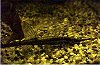 Farlowella
acus Farlowella
acus |
 Farlowella
acus Farlowella
acus |
 Farlowella
acus Farlowella
acus |
If you would like to contribute to the monthly factsheets with an article, information or photos, please e-mail me. You will of course be credited for your work.

If you would like to donate any denomination of monies to the site just click the above link button. All proceeds will go to running the site and hopefully to keep it going for a few years yet.

